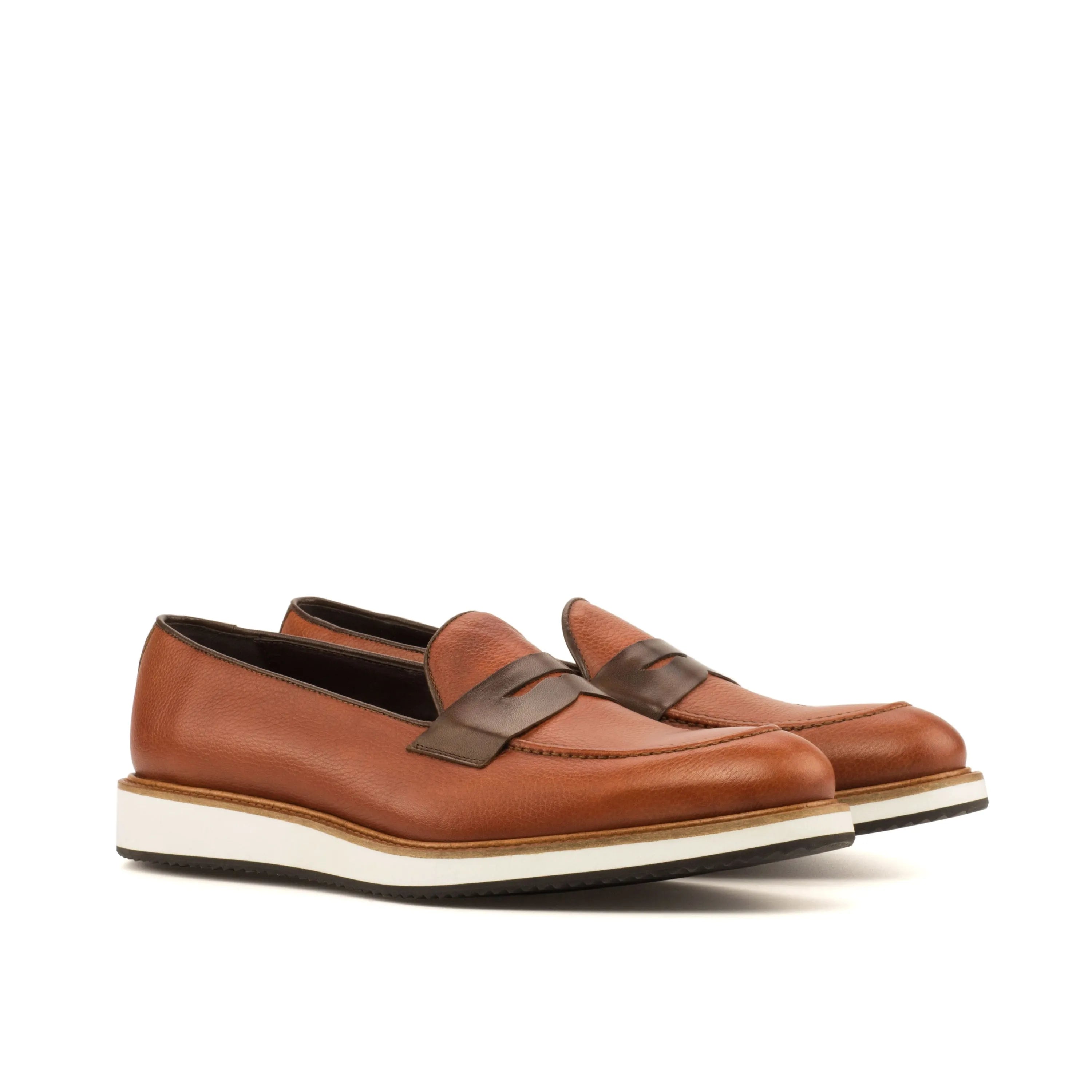
The Driving Shoe: How a Rubber-Studded Loafer Escaped the Car and Took Over Summer

There is a particular kind of shoe that only makes sense when you are doing very little. Not the brogue that marches into a boardroom, not the boot that means business, but the soft, unlined, pebble-soled slipper that says the hard part of the day is over and lunch is by the water. The driving moccasin — the driver, the gommino, the car shoe, call it what your passport demands — is the great emblem of European leisure. And like most emblems of leisure, it began with a very practical problem.
A shoe invented to touch a pedal
The story starts, as so many good ones do, on the Italian coast in the 1960s. Post-war Italy was in love with the automobile. The Fiat 500 had motorised the middle class, Ferrari and Maserati were turning Modena into a shrine, and the ritual of the weekend drive — Milan to Portofino, Rome to the Amalfi — had become a form of theatre. The trouble was that the shoes men wore did the driving badly. Leather soles slipped off the pedals; stiff dress shoes couldn't feel the throttle; heels scuffed and caught.
In 1963 a Milanese entrepreneur named Gianni Mommo founded a small company with a literal name: Car Shoe. His idea was elegant and slightly obsessive. Take a soft, unlined moccasin, then stud the sole and heel with dozens of little rubber nubs so the foot could grip the pedal and flex around it. The rubber wrapped up the back of the heel, protecting the leather from the friction of the footwell. It was, in the truest sense, a piece of automotive equipment that happened to be beautiful.
The design was too good to stay in the car. A decade or so later the Della Valle family — the Marche-based shoemakers who would build Tod's into a global house under Diego Della Valle — refined the concept into the Gommino, its sole peppered with 133 rubber pebbles. It became the uniform of a certain kind of Italian and, quickly, a certain kind of everyone. Discreet, hand-stitched, absurdly comfortable, and quietly expensive: the driving shoe was the perfect object for people who wanted their money to whisper.
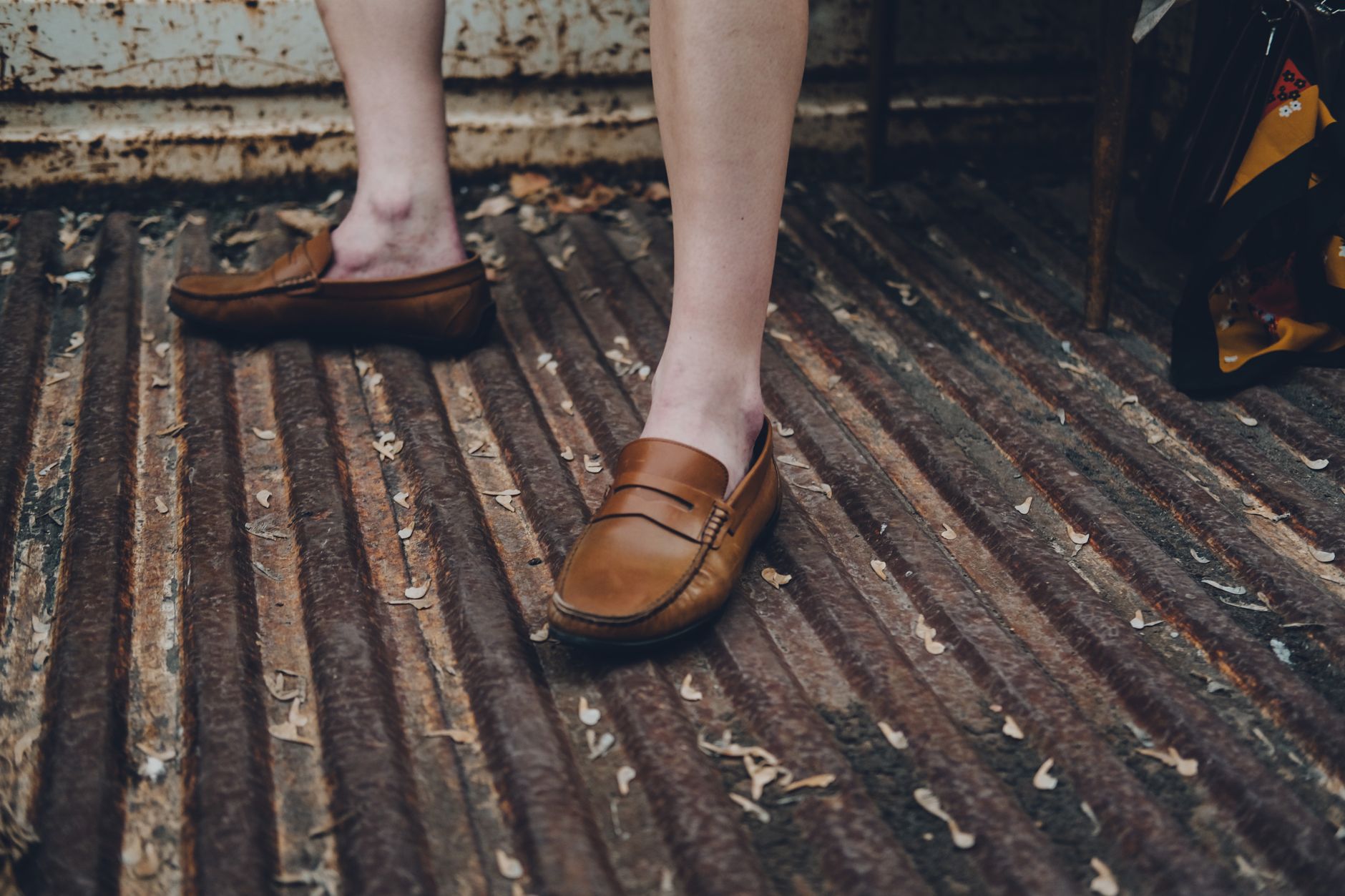
The men who made it look effortless
No shoe survives on engineering alone; it needs icons. The driver got the best of them. Gianni Agnelli, the Fiat patriarch and the most stylish industrialist of the twentieth century, treated tailoring like jazz — watch over the cuff, tie slightly askew, and shoes that suggested he had somewhere better to be. Steve McQueen, who actually raced and actually drove, gave the low, soft moccasin its Hollywood credentials off the track. By the 1980s the driving shoe had become shorthand for a life spent between a villa, a boat and a low-slung convertible.
What makes the driver so persistent is that it solved a problem menswear keeps rediscovering: how to look pulled-together while doing almost nothing. It is the antidote to the sneaker's aggression and the loafer's formality. You wear it with cropped chinos and no socks, with faded linen, with swim shorts you have no intention of getting wet. It flatters the ankle, lengthens the leg, and telegraphs that you are the sort of person who owns a linen jacket and knows when to take it off.

Why the good ones cost what they cost
Here is the honest catch: the driving moccasin is one of the easiest shoes to make badly and one of the hardest to make well. Because it is unlined and unstructured, there is nowhere for poor materials to hide. Cheap versions feel like cardboard slippers and crease into misery within a season. A proper driver is built around supple, full-grain or crust leather that moulds to the foot, hand-lasted so the vamp sits cleanly, and finished with a rubber-studded sole that is genuinely flexible rather than glued-on decoration.
Que Shebley's take leans into exactly this — soft Italian leather, hand-finished, and offered in the kind of colours that separate a considered driver from a rental-car impulse buy. The Maryland Driver is the argument for colour done confidently: a warm, saturated tone that reads as intentional rather than loud, the sort of shoe that turns a plain outfit into a decision.

Suede, meanwhile, is the driver's other native language — nothing else catches the light on a summer evening quite like it. The NY Driver in soft brown suede is the version that plays well with everything from raw denim to unstructured tailoring, the shoe you reach for when you want texture rather than shine.

How to wear one without looking like a caricature
The driving shoe has one real failure mode, and it is the yacht-club cliché: navy blazer, gold buttons, boat shoes' more expensive cousin, worn as costume. The way around it is to treat the driver as a texture rather than a theme.
- Keep the ankle clean. No socks, or invisible ones. The whole point is the uninterrupted line from trouser hem to shoe.
- Crop the trouser. Drivers were designed to be seen. A puddle of fabric over the vamp defeats the shoe entirely.
- Lean into unexpected colour. A green or burnt-orange suede driver with off-white trousers looks far more modern than the safe brown default. This is where a bolder choice like the San Diego Driver earns its keep.
- Respect the sole. The rubber nubs wear down on pavement far faster than on a pedal. Treat them as summer shoes and rotate them, and they'll last for years.

The luxury of not trying too hard
Sixty years on, the driving shoe remains one of the few genuinely relaxed objects in a wardrobe increasingly obsessed with performance and provenance. It doesn't want to be an investment piece or a statement. It wants you to drive somewhere pretty, park badly, and walk to lunch with your jacket over your shoulder. That was always the promise of the thing — a shoe designed for the pleasure of arriving, not the effort of getting there.
Gianni Mommo built it to grip a pedal. What he actually built was the most persuasive argument in menswear for slowing down. Buy a good one, forget it exists, and let it do all the talking about the kind of summer you intend to have.

اترك تعليقًا
This site is protected by hCaptcha and the hCaptcha Privacy Policy and Terms of Service apply.