L'équilibre qui se détériore : la chimie derrière le luxe à bas prix
Table of Contents
- Table of Contents
- The Call-Out
- The Deep Dive: Brutal A/B Comparison
- The Rationale: Why Artisan over Mass-Market
- Closing: Own Real Quality
- FAQs
The Call-Out

Let’s shatter a well-advertised myth—why do people accept the "break-in period" for cheap shoes? It's an industry excuse for discomfort, crafted in boardrooms aiming for profit over substance. When a company tells you their shoes need "breaking in," they're really saying they cut corners. No thanks. At The House of Que Shebley, we dismiss such nonsense.
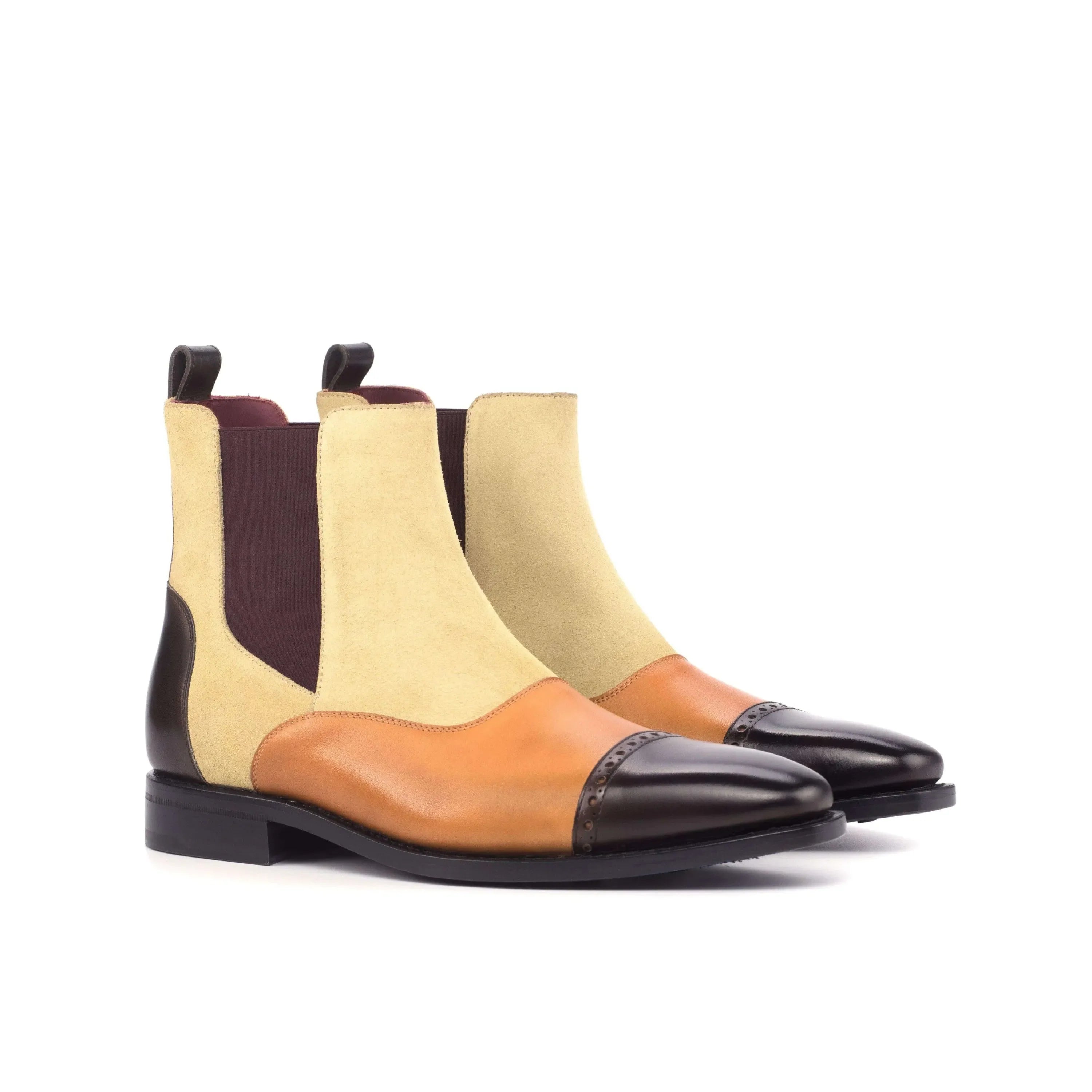
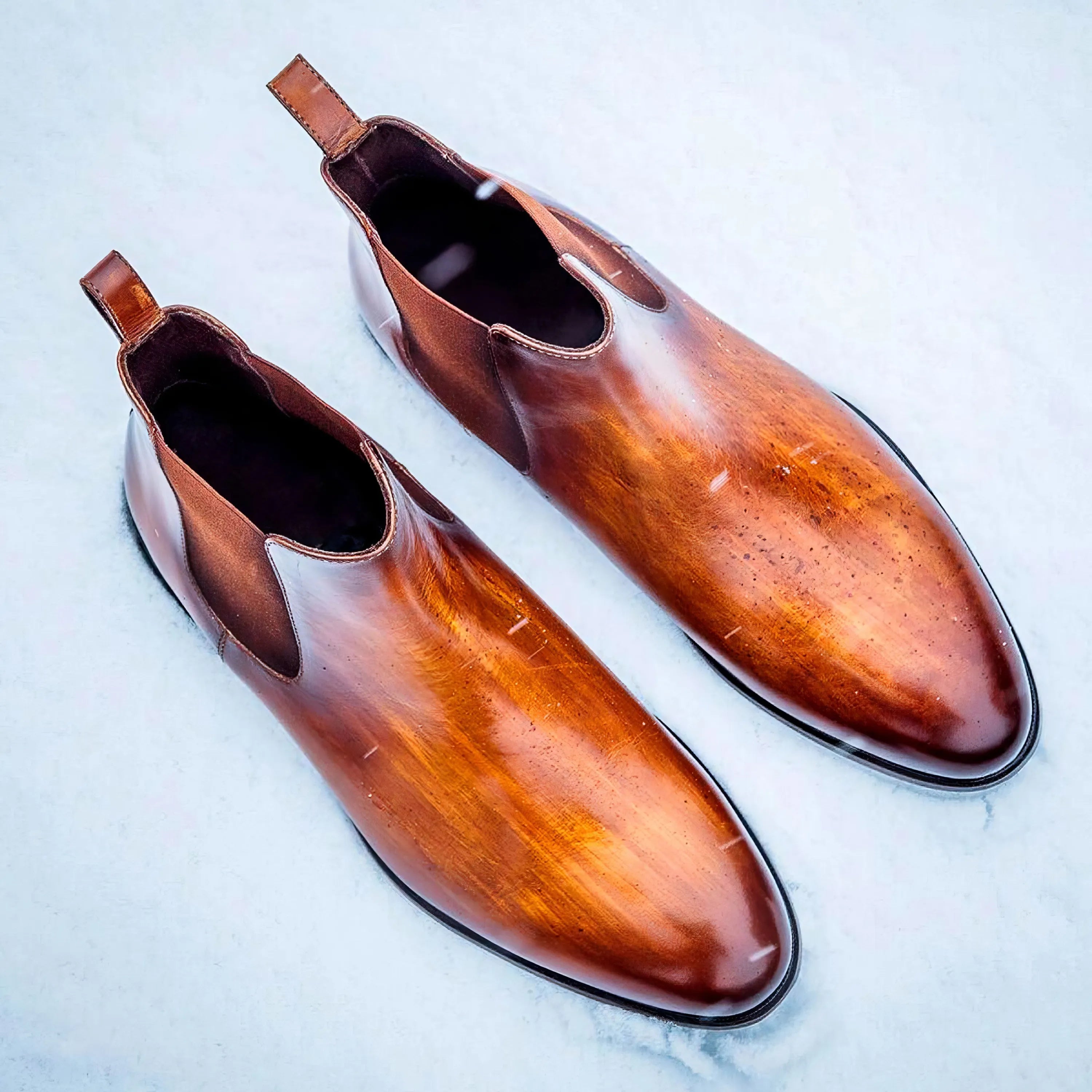
Stepping into genuine, crafted excellence should feel like returning home. Chiva Chelsea Boot is a prime chap. Handmade precision should never hurt. Why endure pain camouflaged as luxury legend?
The Deep Dive: Brutal A/B Comparison

Compare and contrast. It's where true craftsmanship reveals its superiority.
Longevity:
Consider affordable 'luxury' shoes. Berluti, for instance, tags shoes with "Made in Italy" credentials, but don't be misled. High-volume factories churn them out faster than a thought.
Enter Que Shebley. Each Randy Jodhpur Boot is a work of art. Artisans handcraft these wonders like immaculate poems, ensuring they age with dignity. Our leather doesn’t peel like an overripe fruit.
Integrity:
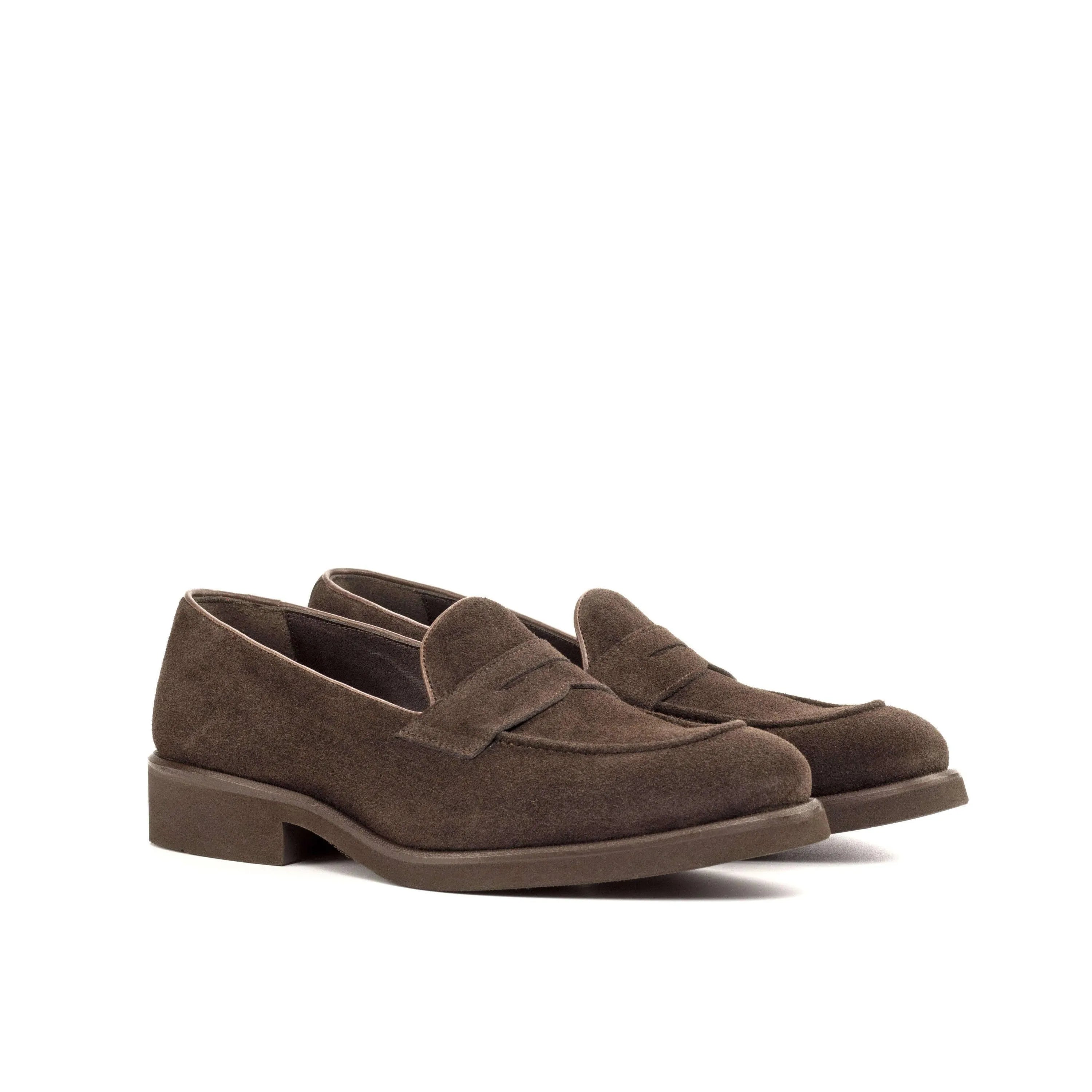
Allen Edmonds is quick to mention corrected grain leather smoothed over with plastic. It's like shiny plastic fruit—deceptive nonsense. At The House of Que Shebley, we work with top-grain leather. Real leather. Feel the depth in each Andrew Camo Loafers II. No layers to veneer over imperfections here.
Personal Touch:
Santoni and the industry giants boast of mass-produced "luxury." Compared to bespoke, their "made to measure" falls flat, losing the essence of personal touch. This topic deserves its own limelight, Bespoke Tailoring Vs Made to Measure: The Hidden Battle tells the untold story.
The Rationale: Why Artisan over Mass-Market

Let's get practical—Pros and Cons. Common sense time.
Pros of Artisan:
- Authenticity: Individuals craft, not machines.
- Longevity: Real materials birth real products.
- Elegance: True elegance whispers; it doesn’t scream.
Cons of Mass-Market:
- Deceptive Labels: Oh, that "Made in Italy" stamp.
- Short Lifespan: Quick thrills, premature demise.
- Uniformity: They sell 'luxury,' but they sell it to everyone. Where’s the exclusivity?
The amount of fluff departments wrap around a pair of Spartan Patina Hamptons Belt is ridiculous. In truth, those labels should read "Made in Bulk," The Overpriced Truth: Your Shoes Aren't Built to Last sheds light on this tired farce.
Closing: Own Real Quality

There’s no replacing authentic craftsmanship. Que Shebley raises a banner of elegant rebellion against mass-market mediocrity. Our Kain Jodhpur Boots don't just walk a path—they forge one.
Free yourself from the shackles of shallow indulgence. Make your feet, your style, and your investment worthy of esteem. Straying from mainstream myths at Que Shebley, you invite timeless quality into your life. Because, in a world of deceptions, walking with integrity is a revolutionary act.
FAQs
What is low-cost luxury?
Low-cost luxury refers to products that provide a sense of opulence or high quality at a more affordable price. This phenomenon often arises when brands strategically position themselves to appeal to consumers seeking affordable indulgence.
How does the chemistry of materials impact low-cost luxury?
The chemistry of materials plays a crucial role in creating products that mimic high-quality items. Innovations in synthetic materials and production methods allow brands to replicate the aesthetics and functions of luxury goods while reducing costs.
What are some common materials used in low-cost luxury products?
Common materials include synthetic leathers, engineered woods, and advanced polymers, which can closely resemble traditional luxury materials like real leather or natural wood but at a fraction of the cost.
Why are consumers drawn to low-cost luxury items?
Consumers are often attracted to low-cost luxury items because they offer a balance of affordability and perceived quality, allowing individuals to enjoy a sense of prestige without the financial burden of traditional luxury brands.
Are low-cost luxury items harmful to the environment?
The environmental impact of low-cost luxury items can vary. While some synthetic materials may be less sustainable than their natural counterparts, advancements in eco-friendly production methods are helping to mitigate negative effects.
How do brands maintain an image of luxury despite lower pricing?
Brands maintain an image of luxury through careful marketing, branding strategies, and the use of visually appealing packaging, all of which create an aspirational identity that resonates with consumers.
What role do social media and influencers play in the low-cost luxury market?
Social media and influencers significantly impact the low-cost luxury market by showcasing products and creating trends. Their endorsements can drive interest and demand among consumers looking for the latest affordable luxury items.
Is there a risk of compromising quality in low-cost luxury products?
There can be risks associated with quality in low-cost luxury products. While some brands successfully produce high-quality items at a lower cost, others may resort to cheaper materials that could lead to durability and performance issues.
How can consumers identify high-quality low-cost luxury items?
Consumers can look for indicators such as material composition, craftsmanship, brand reputation, and customer reviews. Researching and comparing products can help ensure that they are making informed choices when it comes to low-cost luxury purchases.

Laisser un commentaire
Ce site est protégé par hCaptcha, et la Politique de confidentialité et les Conditions de service de hCaptcha s’appliquent.