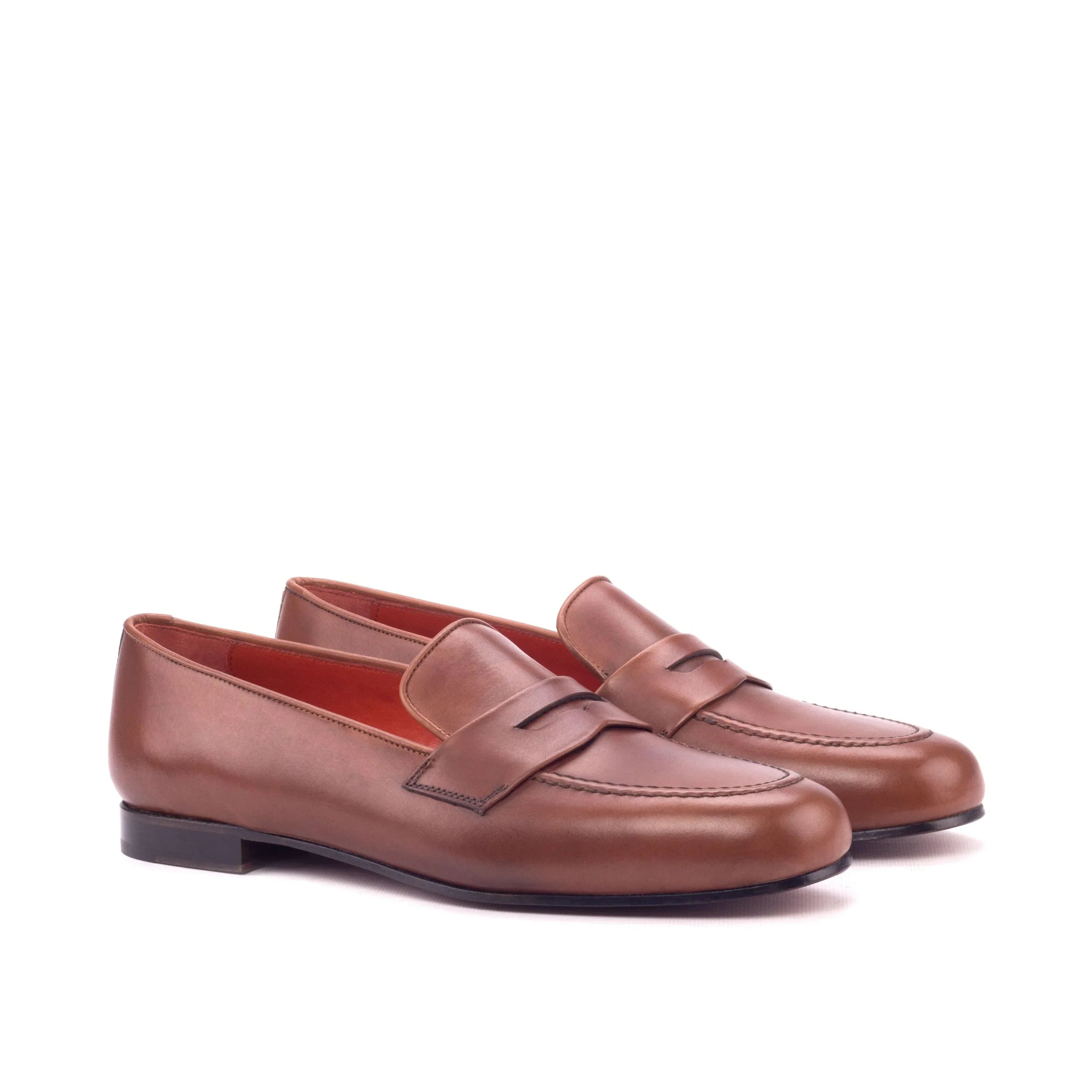
The Jodhpur Boot: How a Polo Ground in Rajasthan Buckled Its Way Into Menswear

Most boots announce themselves. The Chelsea has its elastic gusset, the chukka its friendly two eyelets, the cowboy boot its Cuban swagger. The jodhpur boot does something subtler: it wraps a slim strap around the ankle, threads it through a small buckle, and calls it a day. No laces, no drama, no gusset stretching over the instep — just a clean leather curve broken by a single, purposeful fastening. It is the most quietly aristocratic boot in the wardrobe, and almost nobody remembers where it came from.
The answer is a walled city in the Thar Desert, a game played on horseback, and one of the more elegant accidents of the British Empire.
A city, a trouser, and a game on horseback
Jodhpur is a real place — the second-largest city in Rajasthan, founded in 1459, painted so uniformly blue that pilots reportedly use it as a landmark. It is also, more famously to menswear, the source of the jodhpur trouser: those flared-at-the-thigh, tight-at-the-calf riding breeches designed for the local passion of polo. Legend credits Maharaja Sir Pratap Singh of Jodhpur, an avid polo player and Anglophile, with popularising the cut in the late nineteenth century, bringing his riders and their kit to England around Queen Victoria's Golden Jubilee. The trousers caused a sensation. British tailors copied them; the word entered the language.
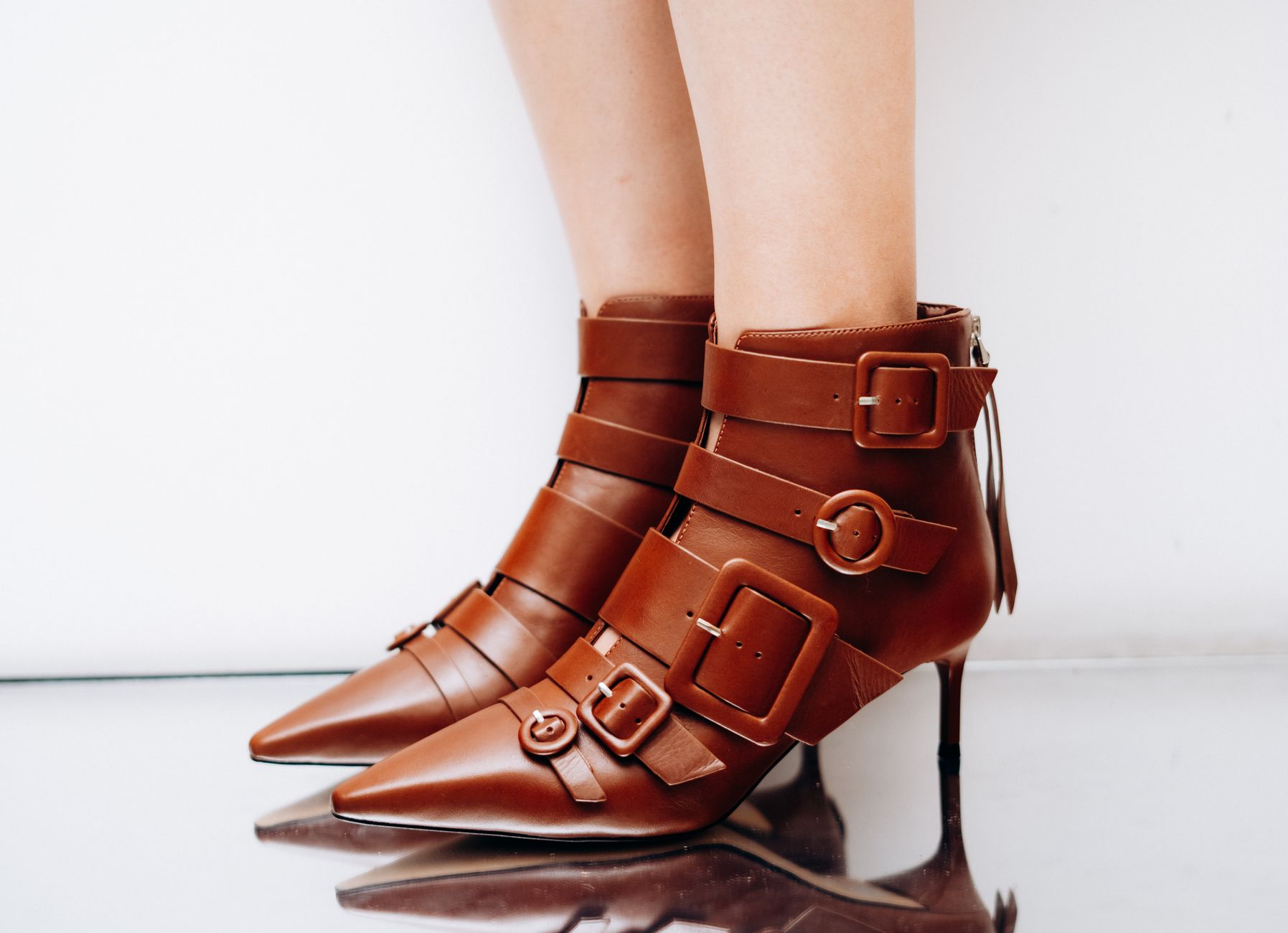
But a specialised trouser needs a specialised boot. Traditional English riding boots ran high up the calf — impractical worn under a breech already tapered tight below the knee. What the polo player needed was a short boot that ended neatly at the ankle, secured not by laces that could snag a stirrup but by a strap that wrapped and buckled cleanly against the leg. That is the jodhpur boot: ankle-height, rounded at the toe, fastened by a strap-and-buckle that circles the ankle. Function first, elegance as a happy consequence.
From the stables to Savile Row
The boot rode into Britain on the same wave as the trousers, and the same institution that spread it everywhere else: the cavalry. British Army officers adopted the jodhpur for riding, and, as with the trench coat and the chukka, what began as military kit drifted inevitably into civilian tailoring. By the interwar years, the jodhpur boot had shed its horsey associations enough to be worn with lounge suits and country tweeds. It offered the man who found the Chelsea a touch plain and the lace-up boot a touch fussy a third path — buckled, distinctive, but never loud.
It helped that the boot photographs beautifully. That single strap crossing the ankle draws the eye and lengthens the line of the leg, especially under a trouser cut close at the hem. Fashion houses have understood this for decades: the jodhpur has cycled through collections at Saint Laurent, whose lean silhouettes love a slim ankle boot, and appears reliably whenever designers reach for a note of equestrian polish. It flatters the way a well-cut cuff flatters — quietly, structurally, from below.


How to tell it apart
Because the jodhpur shares real estate with the Chelsea — both are ankle boots, both dispense with laces — the two are constantly confused. The distinction is worth learning, because it changes how each one wears:
- The fastening. The jodhpur closes with a strap and buckle wrapping the ankle. The Chelsea closes with an elastic side gusset and nothing else. If you can see hardware, it's a jodhpur.
- The mood. The Chelsea is smooth, minimal, faintly rock-and-roll. The jodhpur is equestrian, deliberate, a little dressier for the detail it carries.
- The pairing. A Chelsea disappears under a trouser hem. A jodhpur wants to be glimpsed — worn with a slightly cropped or tapered trouser that lets the strap show.
There is also a close cousin worth naming: the Jodhpur's more military relative sometimes carries two straps or a higher cuff, but the classic single-strap version is the one that has endured, because restraint is the whole point.
What to wear it with
The jodhpur boot's great modern virtue is versatility disguised as formality. In dark, polished calf it slides under a navy or grey suit and reads as a discreet upgrade on the plain lace-up — the man who knows something you don't. In brown or tan, especially with a bit of grain, it belongs to the world of tweed, moleskin, corduroy and flannel: autumn tailoring that wants a little English country in its step. Because the strap adds interest, you can keep everything above it simple and still look considered.
The one context where it truly shines is the wedding — specifically the groom or the guest who wants footwear with a point of view but no clownishness. Under a slim morning-suit trouser or a sharp three-piece, a buckled ankle boot has a confidence that a rented Oxford will never manage. It says the wearer chose this. For the more adventurous — grooms with a patterned suit, or the guest at a country marquee — a two-tone or textured take introduces personality without tipping into costume.

Why it never quite went away
The jodhpur has never had a blockbuster fashion moment the way the Chelsea did in the 1960s or the desert boot did on campus. That is arguably its strength. It never became a uniform, never got overexposed, never needed rescuing from a fad. It has simply persisted at the quieter end of good taste — worn by men who ride, men who read about riding, and men who just appreciate a boot that solves the lace-up's fussiness without resorting to the Chelsea's slouch.
There is something fitting in that. A boot invented on a Rajasthani polo field to serve a very specific trouser has outlived its original purpose by more than a century, precisely because it was designed to do a job cleanly and look right doing it. Strip away the horses, the maharajas and the empire, and you are left with a simple, durable idea: an ankle boot that fastens with a strap and never has to try too hard. In menswear, that kind of quiet competence tends to last. The jodhpur has lasted longer than most.

Laisser un commentaire
Ce site est protégé par hCaptcha, et la Politique de confidentialité et les Conditions de service de hCaptcha s’appliquent.