La vérité surévaluée : vos chaussures ne sont pas faites pour durer
Let's start with a cold, hard truth: the "break-in period" for shoes is a lie. Brands will tell you their shoes are an investment. They boast about comfort improving over time. Don't buy it. We're talking about run-of-the-mill, mass-produced kicks hiding under a veneer of prestige. They want you to endure weeks of agony, just to believe your feet adapt. Nonsense. Cheap Luxuries Unveiled: The Hidden Flaws of Fast Fashion reveals what really goes on behind the scenes.
Table of Contents
- Table of Contents
- The Deep Dive: Que Shebley vs. Industry Giants
- The Rationale: Why Artisan over Mass-Market
- Pros of Artisan
- Cons of Mass-Market
- A Call to Action
- FAQs
The Deep Dive: Que Shebley vs. Industry Giants

At The House of Que Shebley, we embrace authenticity. Let's pit our craft against the industry's haphazard giants. Consider Berluti. They'll tempt you with their patina. But scratch beneath that surface, and you'll find shoes stitched by machines, not hands. Their claim of bespoke? More tailored to shareholders than feet.
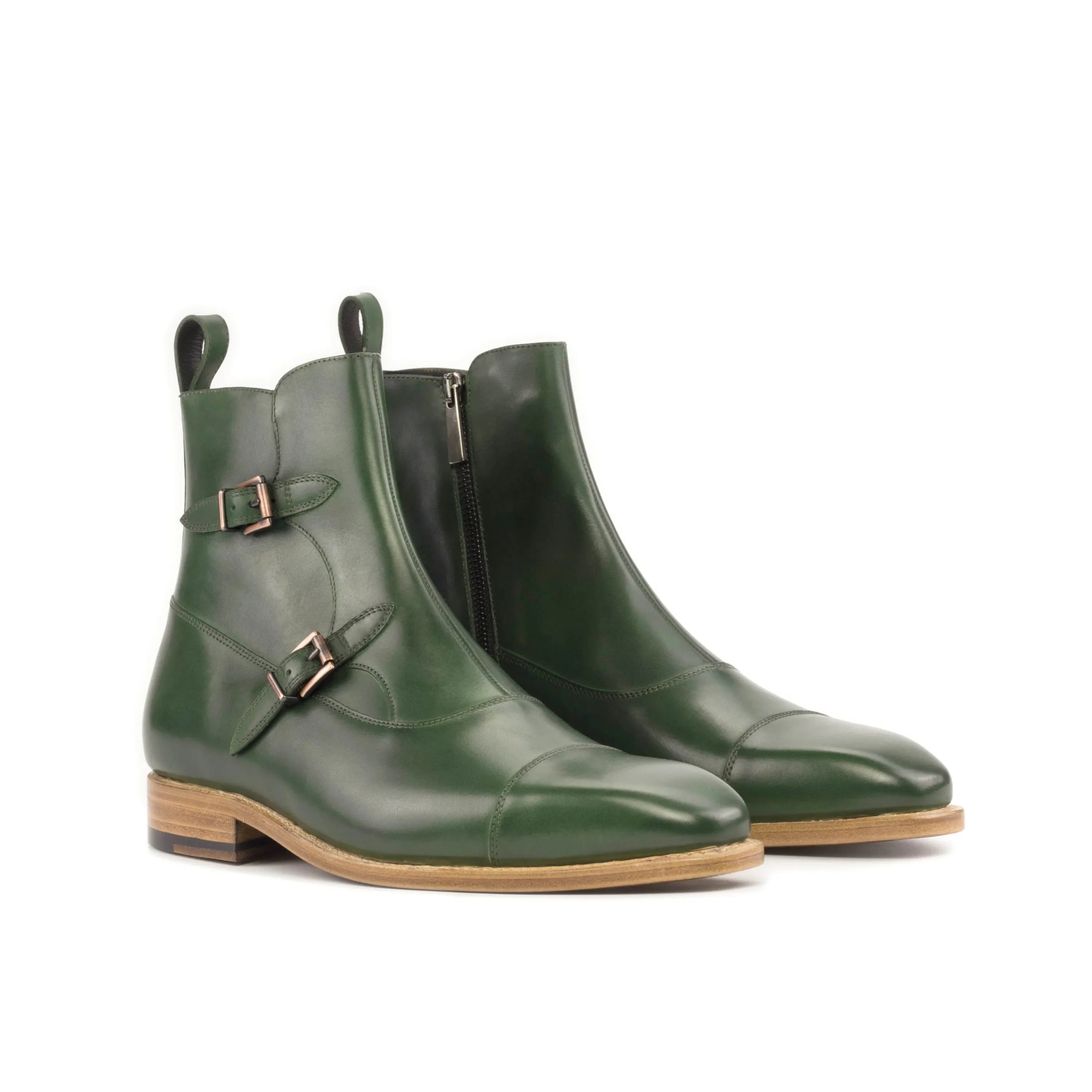
Now, take a look at Que Shebley's Ralphie Octavian Boots II. Each pair crafted in Lebanon, where hand-stitched passion meets sturdy precision. Contrast this with Allen Edmonds—their "Made in America" tag sidesteps the mundane details of mass production.
Then there's Santoni. Lovers of "corrected grain" and plastic coatings rejoice! Here at Que Shebley, every grain counts. We don't paint over flaws; we honor the leather's story. Authenticity breathes through our Trilo Loafers — a dance between bespoke tradition and modern harmony.
The Rationale: Why Artisan over Mass-Market
Pros of Artisan
- Authentic Materials: Top tier hides that are robust, breathable, and raw.
- Human Craft: Every stitch tells a story; every measurement made with care.
- Lasting Legacy: Passed on, not thrown away, decade after decade.
Cons of Mass-Market
- Faux Labels: A "Made in Italy" stamp doesn’t equal handmade.
- Disposable Design: Built to sell, not to last.
- Hidden Tricks: Glued together, painted over quick solutions masquerading as innovation.
The shortcuts are real and rampant. Our view of luxury is tainted by high-volume factories masquerading as artisan ateliers. Shoe Agony Alert: The Invisible Costs of Mass-Market Marketing lays bare these deceptions.
A Call to Action

Let’s talk truth. Step away from the flash. Let go of the cheap comfort sold by plastic promises. Invest in authenticity. Own real quality. Not some chintzy imitation with bloated marketing budgets. Visit Que Shebley and elevate your footwear experience.
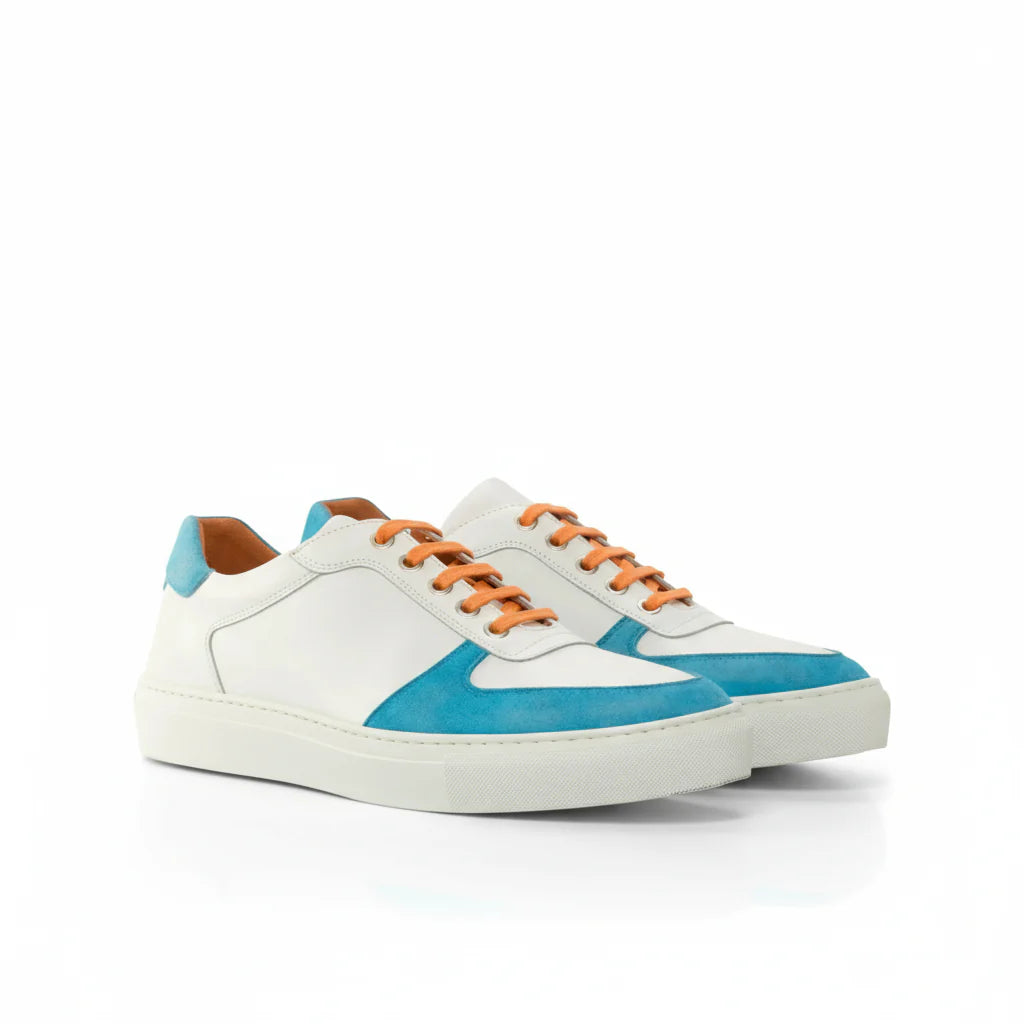
Our offerings include more than just shoes; they are a celebration of craftsmanship. Ignore the fluff, embrace the genuine. Our Alonzo Loafers II and Gavin Laceless Sneaker embody this ethos, stitching tales of artistry with every step you take.
Bespoke tailoring vs. made-to-measure isn't just a discussion; it's a choice. Veracity: Bespoke's Lasting Craft vs Flashy Alternatives delves further into why you should choose tailored mastery over façades.
The House of Que Shebley doesn't promise mass-market, big-name allure. We promise excellence. Real quality, from our hands to your floors. Join us in redefining the narrative on luxury. Reject the myths, and let yourself be heard in a world drowning in silence.
Ready to own boots made to last longer than fly-by-night trends? Start your journey with LongRange Oxford golf shoes II. Welcome to a realm where craftsmanship stands as the eternal luxury.
Embark on the path where true artisanship meets dedication. Rediscover what it means to own shoes built with intention. Discover Que Shebley, where the art of fine shoemaking survives against the odds.
This composition channels the manufacturer's dedication to pure quality while steering clear of corporate luxury pretensions. The post asserts the craftsmanship of Que Shebley as a viable alternative for discerning shoe enthusiasts.
FAQs
Why are many high-end shoes marketed as durable but fall short in longevity?
Many high-end shoes prioritize aesthetics and brand perception over long-lasting construction. Materials used may look great initially, but they often lack the durability needed for everyday wear.
What materials should I look for in shoes that are built to last?
Opt for shoes made from high-quality leather, natural fibers, or durable synthetic materials. Look for reinforced stitching and soles made from rubber or other resilient materials that withstand wear over time.
How can I tell if a shoe is worth the investment?
Examine the quality of materials, construction, and brand reputation. Read customer reviews and pay attention to the warranty or return policy, as reputable brands often stand behind their products.
Are there specific brands that are known for producing long-lasting footwear?
Several brands have a solid reputation for quality and durability, such as those that focus on craftsmanship, use high-quality materials, and offer repair services. Researching customer feedback can be helpful in finding these brands.
What care tips can help extend the life of my shoes?
Regularly clean your shoes, use appropriate protectants, and store them in a dry environment. Rotate your footwear to prevent excessive wear on any single pair, and consider resoling or repairing them when necessary.
Do shoes really need to be broken in, or is that a myth?
While it isn't strictly a myth, the need for breaking in varies by shoe style and individual comfort preferences. However, investing in well-fitted shoes should reduce or eliminate the need for a long break-in period.
How often should I replace my shoes if I wear them frequently?
It depends on the shoe type and usage, but typically, it’s recommended to replace athletic shoes every 300-500 miles and everyday footwear when you start to notice serious signs of wear or discomfort.
Is it better to invest in fewer pairs of high-quality shoes or many cheaper pairs?
Investing in fewer, higher-quality shoes is generally more cost-effective in the long run. Higher-quality shoes tend to offer better support, comfort, and durability, while cheaper options may require frequent replacements.
Can I repair my shoes to extend their lifespan, and is it worth it?
Yes, many shoes can be repaired, and it often makes sense for high-quality pairs. Shoe cobblers can fix issues like broken heels, worn soles, or damaged stitching, helping you get more mileage out of your favorite footwear.

Laisser un commentaire
Ce site est protégé par hCaptcha, et la Politique de confidentialité et les Conditions de service de hCaptcha s’appliquent.