The Skin Trade: How Exotic Leathers Went From Vulgar to Very Quiet Luxury

There was a period — call it roughly 1978 to 1994 — when a crocodile shoe told you almost everything you needed to know about a man, and none of it was flattering. It said Vegas, or a certain kind of boxing promoter, or the corner booth where the drinks arrived without being ordered. Exotic leather had become shorthand for excess: the louder the scale, the smaller the taste. Gordon Gekko wore it in spirit if not in fact. So did a hundred imitators in double-breasted suits.
What's remarkable is how thoroughly that association has dissolved. Walk through a menswear trade fair in Florence or a tannery outside Milan today and exotic skins are spoken of the way one might discuss a grand cru — reverently, technically, and without a hint of vulgarity. The transformation wasn't accidental. It's the story of how craftsmanship, restraint and a quieter kind of confidence rehabilitated the most flamboyant materials in the wardrobe.
A Very Old Kind of Rare
Exotic leather is not a modern indulgence. Ancient Egyptians prized crocodile hide; the animal was sacred to the god Sobek, and its skin carried a symbolic charge that had nothing to do with status-signalling. By the nineteenth century, alligator was being turned into fine luggage and gun cases — objects meant to last generations and to age with dignity. Hermès built part of its early reputation on the precision of its crocodile work, and still grades every skin with an almost forensic obsessiveness.
The vulgarity, then, was a twentieth-century detour rather than the material's natural state. What went wrong was scale — literally. When exotic skins were used to shout, cut into high-gloss cowboy boots or full-length coats dyed in improbable colours, they read as costume. The skins themselves were innocent. It was the styling that offended.

The Return of the Whisper
The rehabilitation came from an unlikely direction: quiet luxury. As logos fell out of favour and the most discerning men began prizing materials only a specialist could identify, exotic leather found a second life precisely because most people can't spot it at a glance. A pair of matte alligator loafers in dark brown, worn with grey flannel, doesn't announce itself. It rewards the person who leans in — the maître d', the other collector, the tailor who clocks it across a room. That's the whole point.
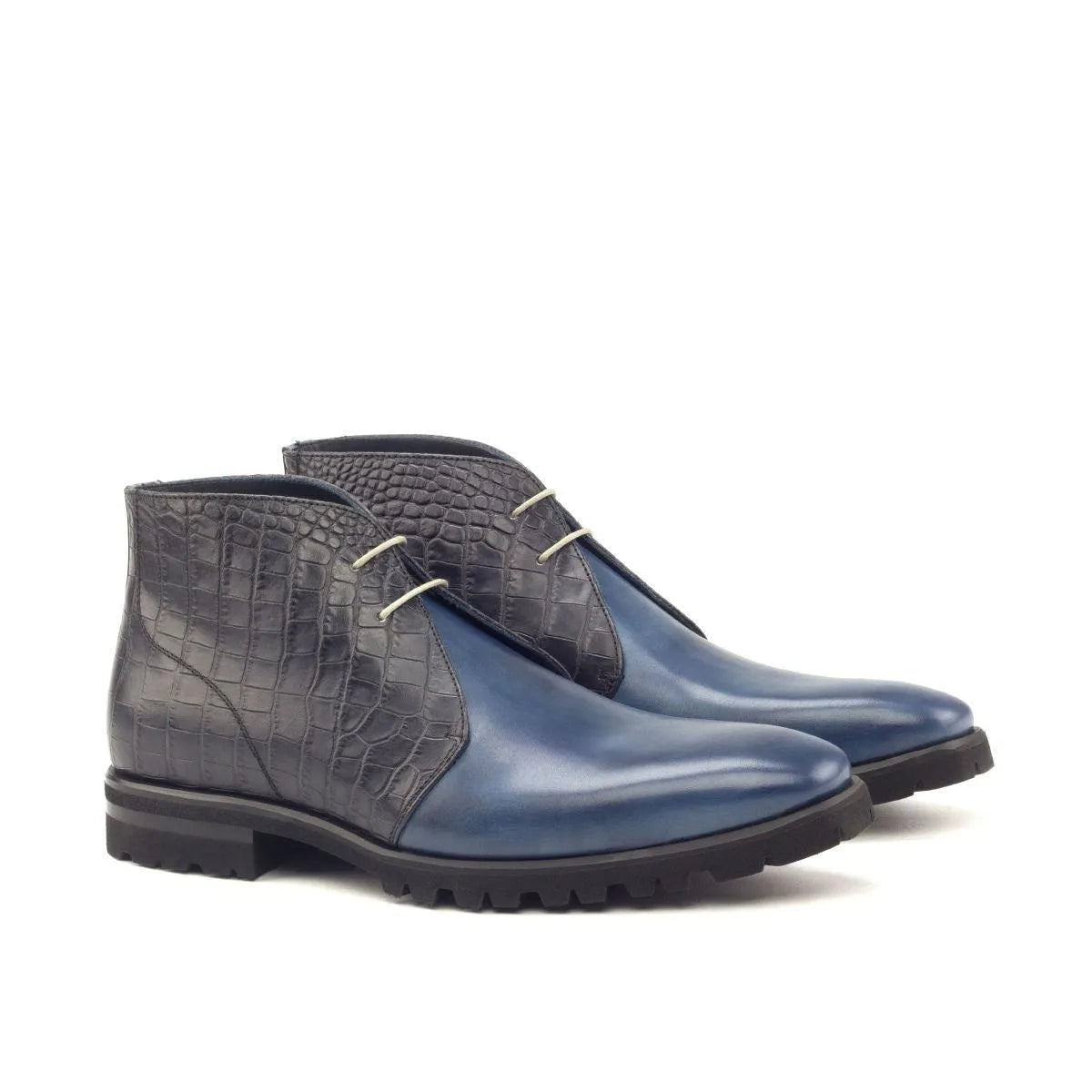
The best exotic footwear today is defined by understatement. Colours have moved toward the natural and the sombre. Finishes have gone matte or lightly hand-antiqued rather than mirror-bright. The skins are used sparingly — a vamp here, a strap there — so that the material feels considered rather than conspicuous. Consider a design like TheDon Alligator Loafers, where the tile pattern of genuine alligator is allowed to do the talking without a single ounce of gloss or gilt to cheapen it.

Know Your Skins
Part of appreciating exotic leather is understanding that not all of it behaves the same way. Each skin has a character, a grain and a set of demands — and a man who wears them well knows the difference.
- Alligator and crocodile: The aristocrats. Prized for their symmetrical tile pattern and the small "umbilical" mark that connoisseurs read like a signature. Alligator tends toward larger, squarer scales; true crocodile shows a small sensory pore on each tile. Both are durable, supple and improbably long-lived when cared for.
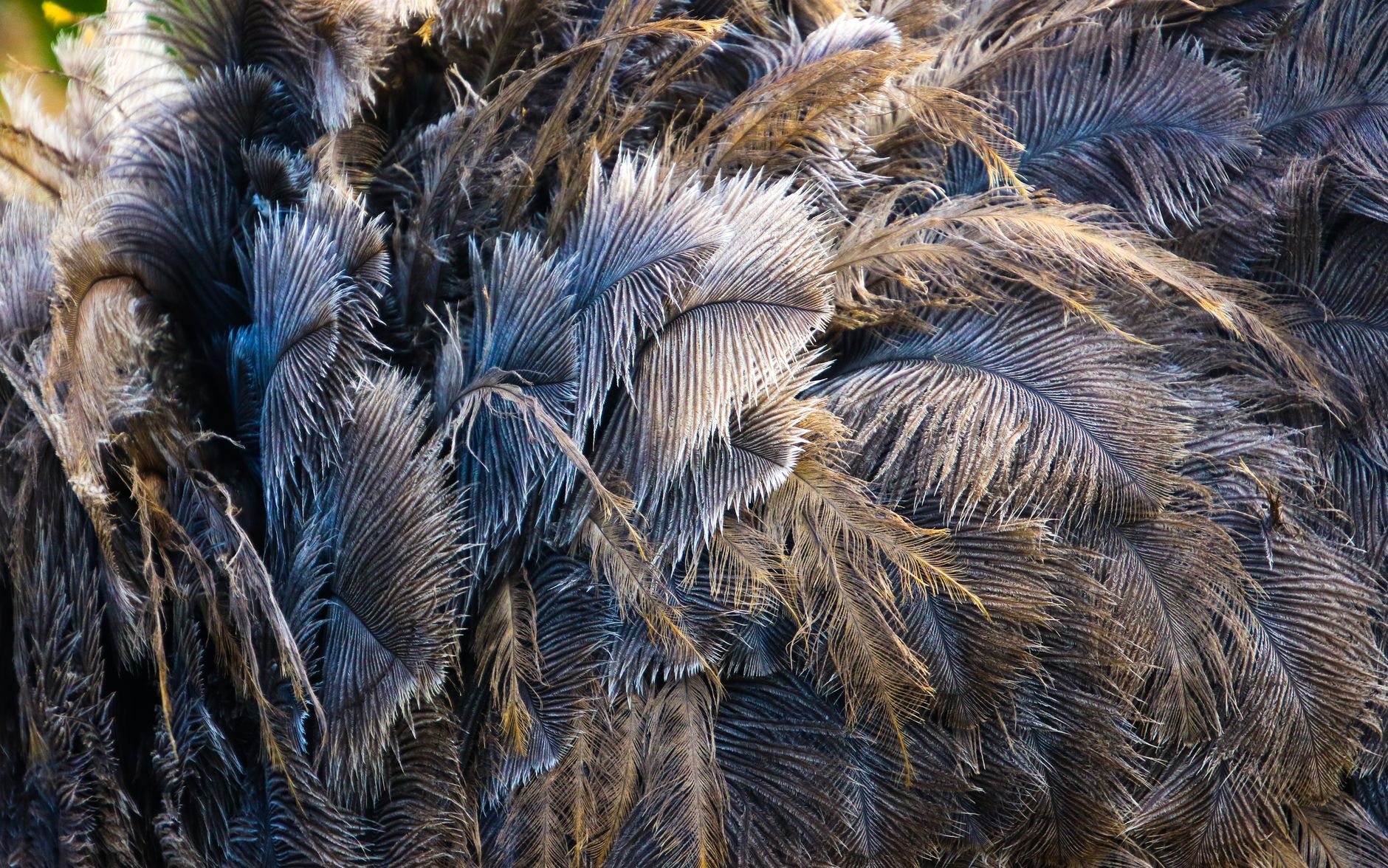
- Ostrich: The connoisseur's pick. Instantly recognisable by its raised quill follicles, ostrich is astonishingly soft, breathable and hard-wearing — which is why it has quietly migrated from formal shoes onto luxury sneakers, where its texture reads as modern rather than stuffy.
- Python: The most graphic and the most polarising. Its overlapping scales create a play of light that no calfskin can imitate. Used judiciously — say, on a boot rather than a full coat — it looks less like a trophy and more like an artefact.
Ostrich in particular has become the sleeper hit of the category. Its move onto casual footwear captures exactly where exotic leather is heading: away from the formal peacocking of the eighties and toward texture as a private pleasure. A shoe like the Honovi Trainer Ostrich Sneaker takes a material once reserved for the boardroom and reframes it for a Saturday, the quill pattern catching light where a logo used to sit.

The Craft Behind the Scale
What separates a beautiful exotic shoe from a garish one is almost entirely the making. Exotic skins are difficult, unforgiving and expensive to work. A single hide may yield only a handful of usable pairs, and the pattern must be matched across the shoe with the care of a bookbinder aligning marbled endpapers. Cut clumsily, and a tile lands in the wrong place; the eye reads it instantly as off, even if it can't say why.
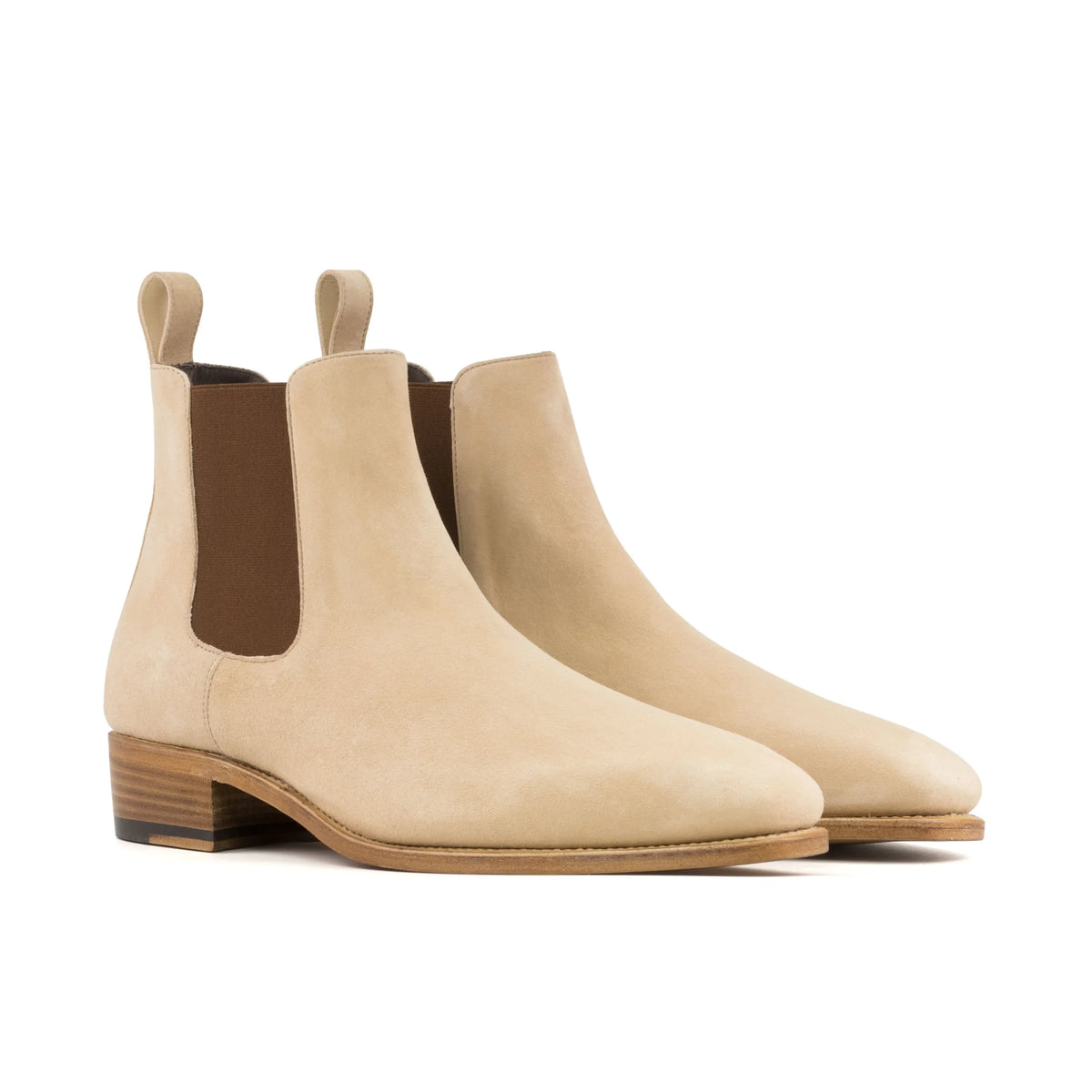
This is why exotic footwear rewards the small workshop over the assembly line. Hand-cutting, hand-lasting and hand-finishing allow the maker to work with the natural variation of each skin rather than fighting it — to let a python's scale pattern flow down the shaft of a boot, or to place an alligator's cleanest tiles where they'll be seen most. A python jodhpur boot, for instance, is as much an exercise in editing as construction: deciding what to reveal and what to restrain.

How to Wear It Without Looking Like 1985
The rules, such as they are, come down to proportion and context. Keep the exotic element singular — one statement per outfit. A python boot wants plain trousers and a plain jacket around it, not competition. Favour natural and muted tones over anything dyed a colour that doesn't occur in nature. And let the rest of your wardrobe stay quiet, so the texture reads as luxury rather than costume.
Care matters too. Exotic skins reward the man who feeds them: a light, dedicated cream keeps scales supple and prevents the lifting and curling that ages them prematurely. Cedar shoe trees and a proper rotation do the rest. Treated well, these are objects that outlast trends and, often, their owners.
That, ultimately, is the redemption story. The exotic shoe was never the problem — our relationship to it was. Stripped of the swagger and returned to the hands of people who understand it, alligator and ostrich and python are simply what they've always been: some of the rarest, most characterful materials a man can put on his feet. Worn quietly, they don't shout at all. They just wait to be noticed by the few people worth impressing.

Laisser un commentaire
Ce site est protégé par hCaptcha, et la Politique de confidentialité et les Conditions de service de hCaptcha s’appliquent.