Articolo: The Chukka Boot: A Desert Ghost That Marched Into the Wardrobe
The Chukka Boot: A Desert Ghost That Marched Into the Wardrobe

Some shoes announce themselves. The full brogue with its filigree of punched holes, the double monk with its architecture of straps and buckles, the patent Oxford glinting under a chandelier — these are shoes that want to be noticed. The chukka does the opposite. Two or three pairs of eyelets, an ankle-high shaft, a clean unlined vamp: it is almost aggressively unremarkable. And that is precisely why it has outlasted nearly every trend thrown at it since the middle of the last century.
To understand the chukka's staying power, you have to understand that it was never designed to be fashionable. It was designed to be functional, and functionality, in menswear, is the slowest-burning form of glamour there is.
The polo field and the etymology problem
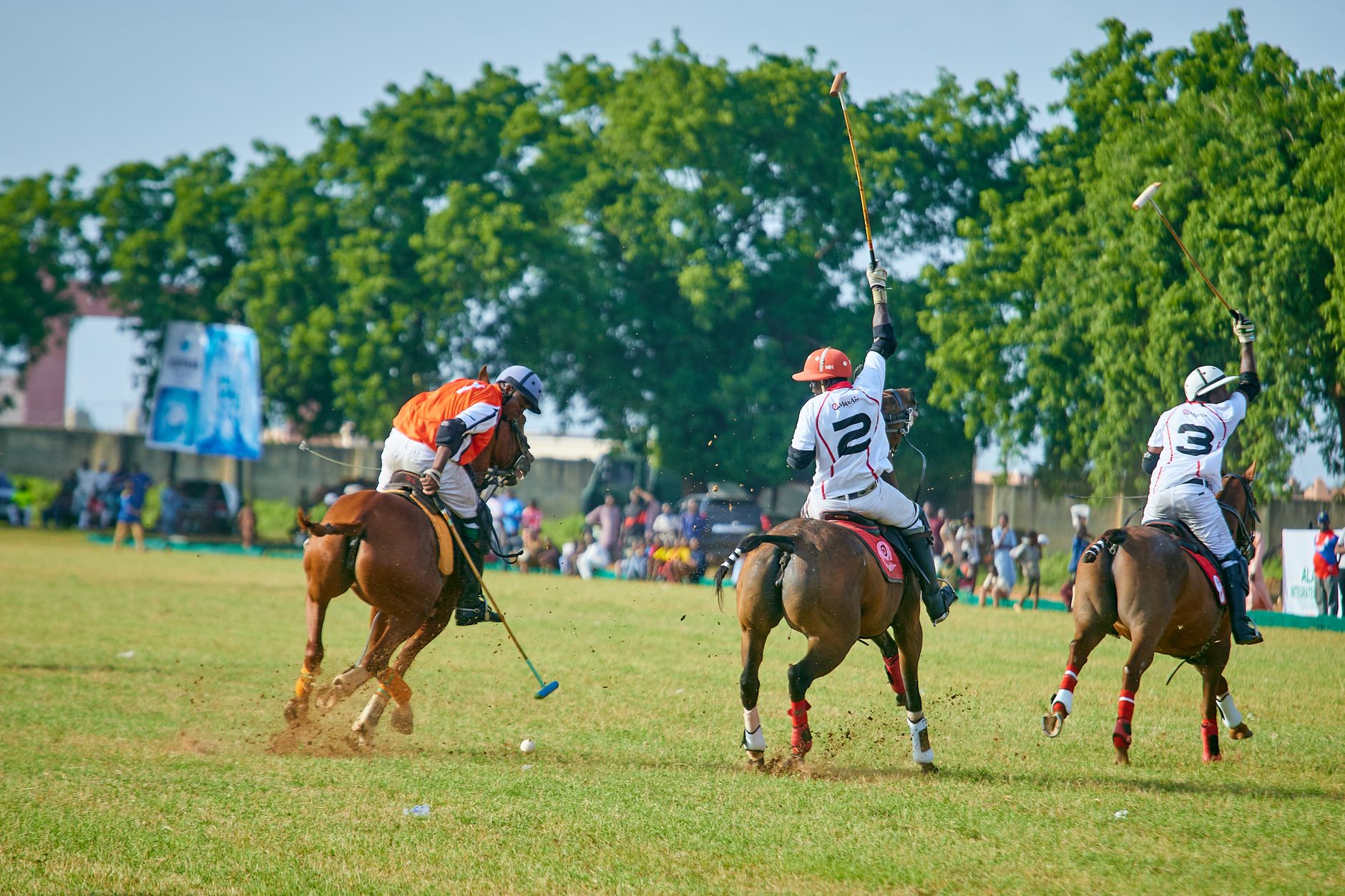
Start with the name, because the name is where the myths begin. A "chukker" (or chukka) is a period of play in polo — roughly seven and a half minutes of controlled cavalry chaos, of which a full match contains several. The conventional story holds that officers and players wore soft, ankle-height boots between chukkers, and that the shoe took its name from the game. It is a tidy origin, and like most tidy origins it is probably half true. What is certain is that the design belongs to a broader family of simple, laced ankle boots that circulated through the British colonial world in the early twentieth century, worn by men who needed something sturdier than a shoe and lighter than a cavalry boot.
The chukka's real crucible, though, was not the manicured polo lawn. It was sand.
Cairo, crepe soles and a very good idea
During the Second World War, British soldiers stationed in the Western Desert campaign found their standard-issue footwear ill-suited to the heat and grit of North Africa. In the bazaars of Cairo, enterprising local cobblers were turning out rough suede boots with soft crepe rubber soles — comfortable, breathable, quick to make. Officers bought them by the pair. Among the men who noticed was Nathan Clark, of the Clarks shoemaking family, who was serving in Burma and had heard about the boots doing the rounds of Cairo's officer class.
Clark sketched the design, sent the drawings home wrapped in the paperwork of the day, and after the war shepherded the boot into production. Launched at the Chicago Shoe Fair in 1949 and formally introduced in 1950, the Clarks Desert Boot was, in essence, a chukka: two eyelets, an unlined suede upper, a plantation crepe sole. It was a modest commercial gamble that turned into one of the most enduringly popular shoes ever made. The desert boot and the dress chukka are cousins, not twins — the crepe-soled suede version leans casual, while a leather chukka on a leather sole edges toward tailoring — but they share a father in that Cairo workshop.

How a soldier's boot became a symbol of ease
What happened next is the part fashion historians love, because it is the moment a utility object becomes a signal. Through the 1950s and 60s the chukka drifted onto American college campuses, where the Ivy League crowd adopted it as the casual counterpoint to their loafers and white bucks. It suited the whole ethos: unfussy, a little rumpled, quietly confident. It could be worn with chinos on a Saturday and, in its sleeker leather guise, with a soft-shouldered sack suit come Monday.
Then came the icons. Steve McQueen wore chukkas as though they were an extension of his nervous system, on and off the screen — the boot's low profile matching his particular brand of stripped-down, mechanic's cool. The Rat Pack wore them. Later, so did every designer trying to soften a sharp suit for the front row. The chukka became menswear shorthand for a man who has somewhere to be but refuses to look like he's trying too hard to get there.

Suede or leather, crepe or leather sole?
The chukka's genius is its adaptability, but that same versatility trips up buyers who don't realise the small choices change the whole character of the shoe. A few distinctions worth holding in your head:
- Suede on crepe. The classic desert-boot register — soft, matte, forgiving. This is the weekend chukka: sand, snuff, tobacco browns worn with denim, corduroy, or unstructured cotton suits in warm weather.
- Smooth calf on a leather sole. The dress chukka. Cleaner lines, a slight sheen, and enough formality to slot under a mid-grey worsted suit when a full Oxford would feel stuffy and a loafer too relaxed.
- Two-tone and textured uppers. A more expressive lane — leather paired with tweed or a contrast counter — that reads as considered rather than loud, and rewards men who already own the plain versions.
The point is that "chukka" is not one shoe but a chassis onto which a maker can build a dozen moods. The best of them get the proportions right: the shaft should sit just above the ankle bone, high enough to hold the foot, low enough not to look like a work boot. Too tall and you've drifted into something else entirely.
The case for buying well
Because the chukka is so pared-back, it hides nothing. There is no brogueing to distract the eye, no hardware to carry the drama. What you are left looking at is the quality of the leather, the cleanliness of the stitching, and the sweep of the last. A cheap chukka looks cheap in a way a cheap brogue can sometimes disguise. A good one — cut from properly tanned hide, hand-finished, sitting on a sole with some heft — looks quietly, almost secretly expensive.
This is where made-to-order houses have an advantage the high street can't match. Working in Italian crust leather — hide that arrives pale and undyed, ready to take colour by hand — a chukka can be finished in a patina that shifts from mahogany at the toe to something lighter across the vamp, giving a plain silhouette real depth. It's the sort of shoe worth building around your own palette rather than accepting off a shelf; Que Shebley's design-your-own approach leans into exactly that, treating the chukka's blankness not as a limitation but as a canvas.

Why it endures
Trends move by addition — more detail, more heft, more statement. The chukka moves by subtraction, and subtraction dates far more slowly. A photograph of a man in chukkas from 1955, from 1985, from last week could all pass for the same decade. That is not an accident; it is the reward for a design that was solved almost the moment it was drawn.
The desert boot was a soldier's improvisation, a comfortable answer to an uncomfortable posting. Seventy-odd years later it remains the shoe you reach for when you want to look put-together without looking like you thought about it — which, of course, requires thinking about it a great deal. The chukka has always understood that the hardest thing to fake is ease. It marched out of the sand knowing it, and it hasn't forgotten since.

Lascia un commento
Questo sito è protetto da hCaptcha e applica le Norme sulla privacy e i Termini di servizio di hCaptcha.