Articolo: The Elastic Rebellion: How the Chelsea Boot Slipped From the Riding Ring to the Rock Stage
The Elastic Rebellion: How the Chelsea Boot Slipped From the Riding Ring to the Rock Stage

There is a particular kind of confidence that comes from a shoe you can put on without looking down. The Chelsea boot — clean-lined, laceless, snug at the ankle with its two flanks of elastic — is the great magician of the shoe cupboard. It disappears under a suit trouser and reappears with jeans; it reads as heritage in brown suede and as insolence in black leather with a stacked heel. Few pieces of footwear have travelled so far from their origins while pretending they never moved at all.
An Inventor, a Queen, and a Piece of Rubber
The boot's real hero isn't a rock star but a shoemaker with a chemistry problem. In 1851, J. Sparkes-Hall, bootmaker to Queen Victoria, patented a boot with elastic sides, made possible by Charles Goodyear's recent breakthroughs in vulcanised rubber. The point was practical: pull-on ease, without the tedium of buttoning or lacing, and a close fit that stayed put in the stirrup. Sparkes-Hall claimed the Queen herself wore them daily and walked in them "as easily as if they were slippers." Whether that's marketing or fact, the design solved a genuine problem — and the Victorians, who buttoned everything, were quietly thrilled.
For decades the boot lived a sensible equestrian life. It was a riding boot, an ankle-height alternative to the tall leather affairs, prized because the elastic moved with the foot and never snagged. That equestrian DNA still shows: the low, clean profile, the pull tabs at heel and tongue, the absence of any hardware to catch on tack or trouser. It was engineered for getting on a horse, and it happens to be perfect for getting into a taxi.
The King's Road Coup
The boot's second life is the famous one. In the late 1950s and early '60s, the style migrated to the coffee bars and boutiques of Chelsea, London — hence the name we still use, coined well after the invention itself. The Mods adopted it; so did the artists and models of the King's Road set. Then came the moment that fixed it in the cultural memory forever: the Beatles walked into Anello & Davide, the London theatrical cobbler, and commissioned a version with a Cuban heel and a sharper, almost winkle-picker toe. The "Beatle boot" was born, and with it the Chelsea's transformation from country practicality to pop-cultural insignia.
From there it never really left. The Rolling Stones wore it with a sneer. Later, in the desert-rock and indie years, it became the uniform of anyone who wanted to look dangerous without appearing to try. What's remarkable is how the same silhouette carried such opposite meanings — the Queen's stable and Mick Jagger's stage, held together by two strips of elastic.

Why It Still Works
Trends usually curdle. The Chelsea boot hasn't, and the reason is architectural rather than fashionable. Strip away the era-specific toes and heels and you're left with an object of near-perfect economy: no laces to break the line of the foot, no buckle to date it, nothing but a smooth arc from ankle to toe. That visual simplicity is exactly what makes it so adaptable. A black leather Chelsea slides under a charcoal suit and behaves like a dress shoe. The same boot in tan suede loosens up with raw denim and a chore coat.
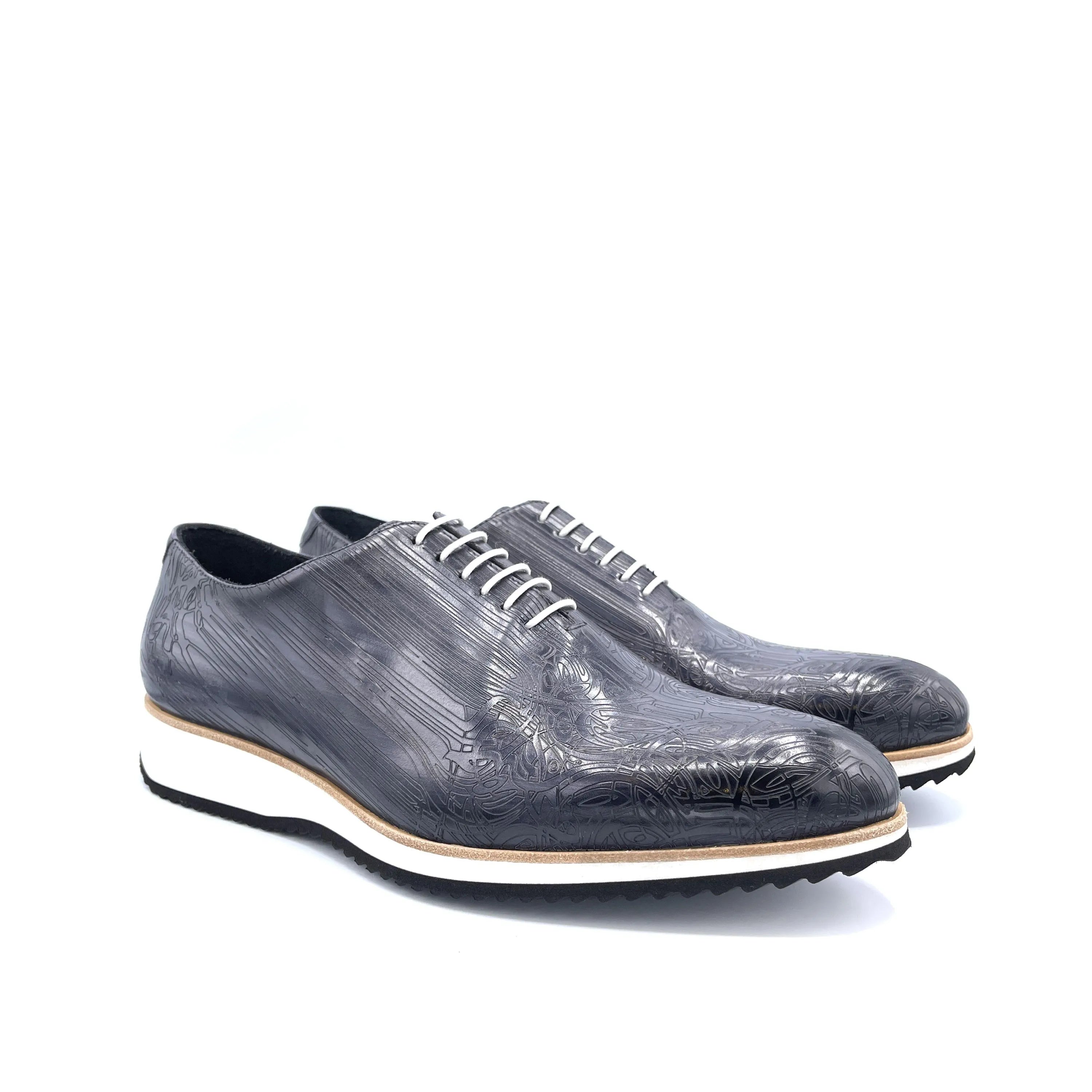
The house of Que Shebley, which builds its footwear made-to-order in Italian crust leather and finishes it by hand, treats the Chelsea as a study in restraint. The Chelo Chelsea Boot keeps the profile low and the leather quiet, the kind of boot that does the heavy lifting in a capsule wardrobe without announcing itself.

The Anatomy of a Good One
Not all Chelseas are equal, and the gap between a great one and a cheap one is visible from across a room. A few things separate the serious article from the throwaway:
- The elastic gusset: It should sit flush with the leather panels, not bulge or pucker. Quality boots use a dense, tightly woven elastic that keeps its snap for years; poor ones slacken and gape within a season.
- The toe shape: An almond or gently rounded toe ages best. The extreme point of the '60s Beatle boot is a costume; a moderate last stays wearable across decades.
- The seam lines: The best construction keeps panel seams clean and symmetrical, so the boot reads as a single sculpted piece rather than an assembly of parts.
- The heel and welt: A modest stacked-leather heel and a proper welt mean the boot can be resoled — the difference between a companion and a disposable.
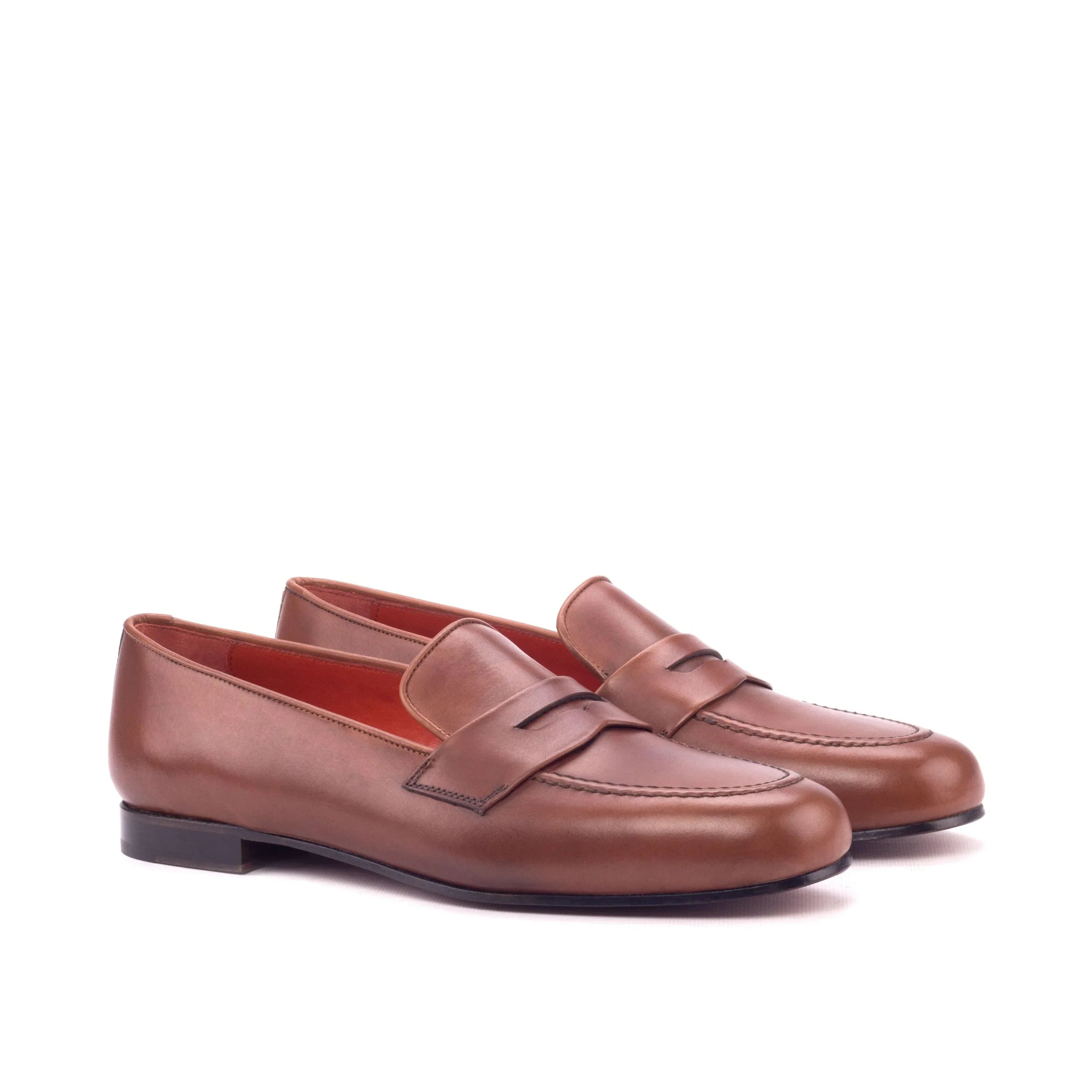
Colour is where personality enters. Black is the closer's choice: severe, urban, faintly rebellious, at home under tailoring. Brown — especially a warm, hand-finished tan — is the everyday workhorse, softening a suit and dressing up jeans in the same breath. The 6009 Chelsea Boots lean into that brown, casual register, the sort of boot that looks better scuffed than showroom-new.

How to Wear It Now
The cardinal rule of the Chelsea is that it wants a clean trouser line. Because the boot is close-fitting at the ankle, it looks best with trousers that taper or with a slim, slightly cropped jean that breaks just above the shaft — you want to see a sliver of the boot, not swallow it in fabric. With tailoring, a mid-grey or navy suit and a black leather Chelsea produces a look that is sharper and more modern than the equivalent lace-up, without tipping into costume.
For weekends, the formula is almost foolproof: tan suede Chelseas, dark denim, an overshirt or unstructured blazer. It's the outfit that has quietly powered a thousand off-duty actors and creative directors, precisely because it looks considered without looking laboured. And unlike a sneaker, the Chelsea grows more handsome as it wears — the leather creasing across the vamp, the toe picking up the soft patina that only comes from real use.
That, in the end, is the boot's quiet genius. It was invented to save the Victorians a few seconds of buttoning and ended up outlasting nearly every trend that borrowed it. The Chelsea boot never shouts. It just slips on, keeps its shape, and lets you get on with looking good — which is, when you think about it, the whole point.

Lascia un commento
Questo sito è protetto da hCaptcha e applica le Norme sulla privacy e i Termini di servizio di hCaptcha.