Articolo: Data di scadenza delle tue scarpe: colpa dei materiali economici
Data di scadenza delle tue scarpe: colpa dei materiali economici
Table of Contents
- Table of Contents
- The Call-Out
- The Deep Dive
- Que Shebley: A Lowdown on Quality
- Industry Giants: The Hard Truth
- The Rationale: Why Artisan over Mass-Market
- Pros of Choosing Que Shebley
- Cons of Going Mass-Market
- Closing
- FAQs
The Call-Out
Let’s tackle a myth: The so-called "break-in period" for shoes. It's a marketing gimmick, designed to justify uncomfortable, ill-fitting footwear crafted from cheap materials. They say, "Oh, they'll soften over time." No, they won’t. Shoes made with subpar materials won't adapt to your feet; they'll betray you long before they become comfortable. Much like a "Made in Italy" label on shoes churned out from massive factories, it’s all about appearances.
Consider Berluti, Allen Edmonds, or the shoes slapped together for department stores. They bank on high volume and high margins, not high quality. Smoke and mirrors hide machine-stitching and corrected grain leather with a plastic topcoat masquerading as the real deal.
The Deep Dive
Why settle for less when you can have Que Shebley?
Que Shebley: A Lowdown on Quality

- Hand-Stitched Craftsmanship: Each pair at The House of Que Shebley is painstakingly hand-stitched. Not a single machine in sight. We value artisanship over quantity, insisting on excellence every step of the way.
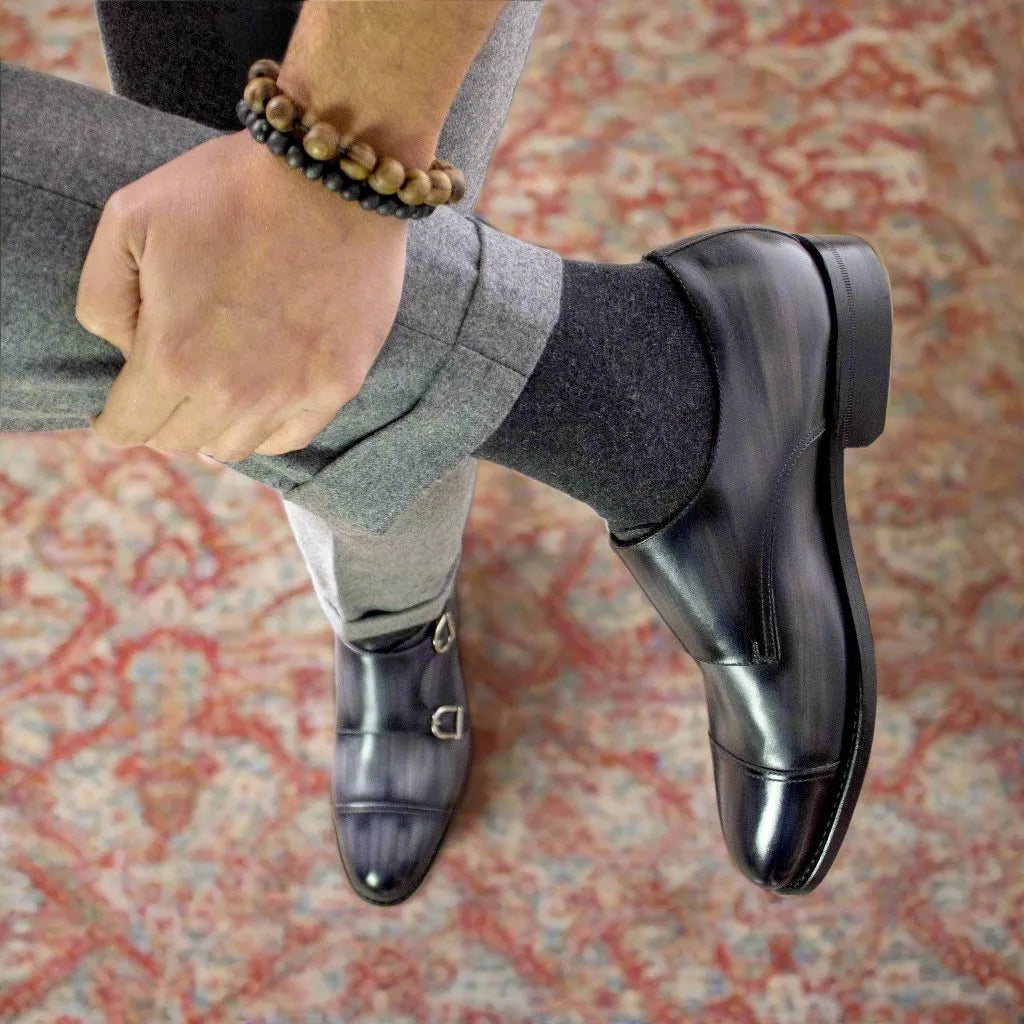
- Premium Materials: Our 5940 Double Monk Patina Shoes and 5912 Whole Cut Patina Shoes are crafted from full-grain leather that ages gracefully. No plasticky paint, no synthetic shortcuts.
Industry Giants: The Hard Truth
- Mass Production: Berluti’s reputation stems from branding, not craftsmanship. Their assembly lines prioritize speed over skill.
- Substandard Materials: Corrected grain leather, a sad substitute, is their go-to. Plus, machine stitching? A notorious cost-cutter that sacrifices durability for profit.
The Rationale: Why Artisan over Mass-Market
Pros of Choosing Que Shebley
- Longevity: Our shoes defy the concept of an "expiry date." Built to endure, they mold perfectly to your feet over time.
- Customization: Bespoke tailoring vs. made to measure isn't just a catchy phrase for us. We custom-fit each pair, as unique as you are.
- Honest Craftsmanship: Our artisans and their painstaking attention to detail ensure no pair leaves imperfect.
Cons of Going Mass-Market
- Frequent Replacement: Mass-produced shoes, like those of Santoni, leave you in an endless cycle of replacements.
- Hidden Costs: The initial savings on cheap shoes are devoured by the costs of recurring replacement.
- False Luxury: Labels like "Made in Italy" are used deceitfully. Instead of inheriting a rich history of craftsmanship, you receive a mass-market product cloaked in lies.
Closing

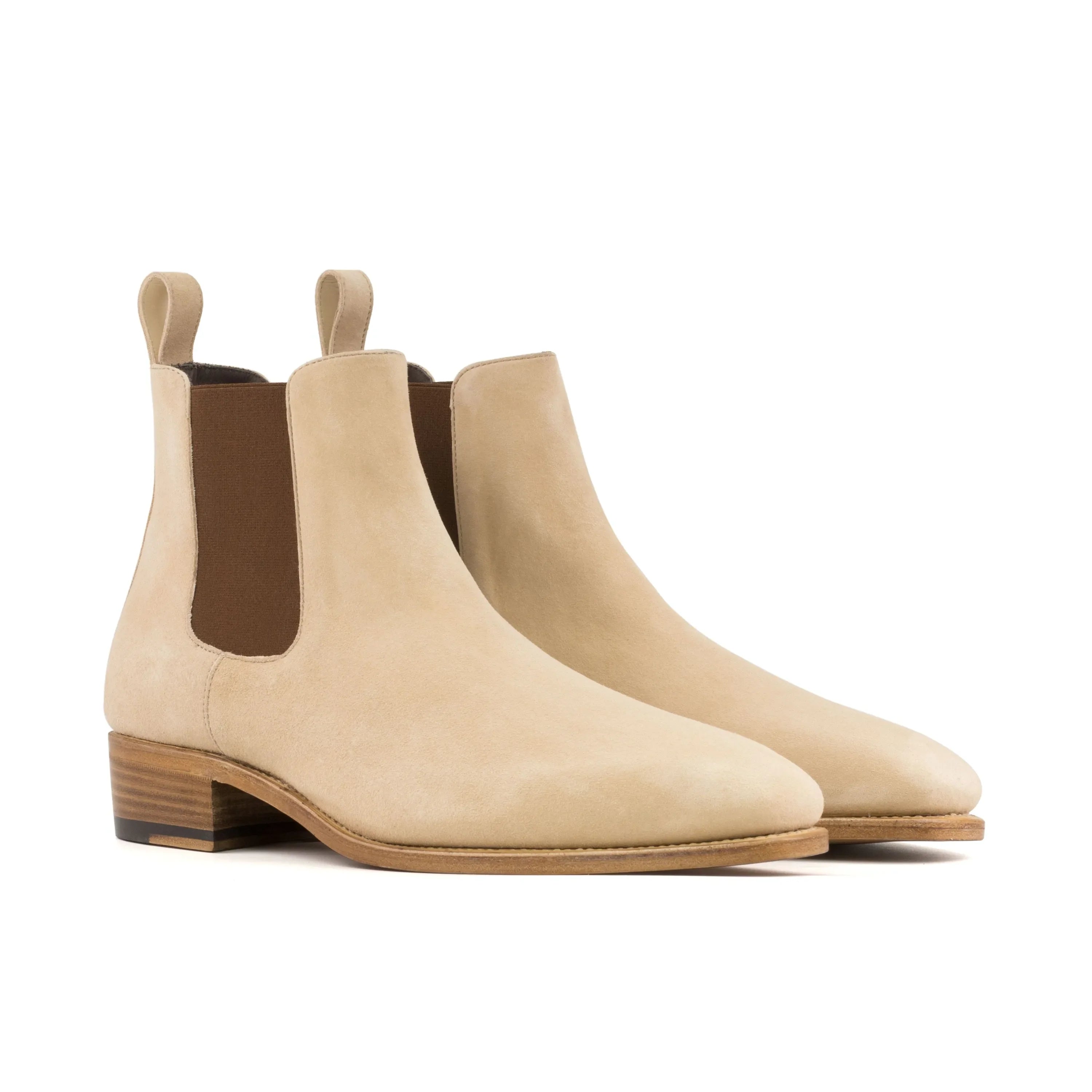
So why settle for substandard when excellence awaits? Own a pair from The House of Que Shebley, a testament to true craftsmanship and quality. Be it the timeless elegance of Rosirto Double Monk II or the distinguished Deneb Chelsea Boots II, we craft these with an unwavering commitment to artistry and detail.
Don’t get trapped in the endless cycle of second-rate footwear. Choose shoes that respect the tradition of getting it right the first time, by not compromising on materials or craftsmanship. Break the cycle—embrace a pair that stands the test of time.
Explore our collection at Que Shebley.
FAQs
What does it mean when you say shoes have an expiry date?
Shoes have an expiry date referring to the time when they no longer provide adequate support, cushioning, or protection due to material degradation. This is often influenced by the quality of materials used in the shoe's construction.
Why do cheaper materials cause shoes to wear out faster?
Cheaper materials tend to lack the durability and resilience of higher-quality options. They may break down more quickly under pressure, leading to faster wear and tear, which affects the shoe’s overall lifespan.
How can I tell if my shoes are made of cheap materials?
Indicators of cheap materials include flimsy construction, excessive creasing, lightweight feel, and visible wear after minimal use. Researching brands and materials can also help identify quality.
What are the common signs that my shoes have reached their expiry date?
Signs include noticeable discomfort, lack of support, worn-out soles, cracks in the material, and changes in your gait or posture while wearing them.
Can wearing expired shoes lead to foot problems?
Yes, wearing expired shoes can cause various foot problems, including blisters, arch pain, and even long-term issues such as plantar fasciitis, due to inadequate support and cushioning.
How often should I replace my shoes?
It’s generally recommended to replace shoes every 300 to 500 miles of use, or approximately every 6 to 12 months, depending on factors like wear and running style. However, closely monitor your shoes for signs of damage to ensure safety.
Are there specific types of shoes that last longer than others?
Yes, high-quality running shoes, hiking boots, and work shoes often feature durable materials designed to withstand extensive wear. Investing in reputable brands known for quality can provide better longevity.
Can I extend the life of my shoes?
Yes, proper care can significantly extend the life of your shoes. This includes regular cleaning, drying them properly after use, using protective spray, and rotating shoes to reduce wear on a single pair.
Are all inexpensive shoes made from cheap materials?
Not necessarily. Some affordable options are made with solid materials and craftsmanship. It’s important to do your research, read reviews, and look for brands that prioritize quality even at lower price points.

Lascia un commento
Questo sito è protetto da hCaptcha e applica le Norme sulla privacy e i Termini di servizio di hCaptcha.