Bespoke Craft vs Mass-Market: Unmasking Footwear Engineering
Table of Contents
- Table of Contents
- The Call-Out
- The Deep Dive: Brutal A/B Comparison
- The Rationale: Why Artisan over Mass-Market
- Pros of The House of Que Shebley
- Cons of Mass-Market Fancies
- Closing
- FAQs
The Call-Out
Unravel the shroud of luxury; the myth of the "break-in period" is ripe for dismantling. Picture this: You've acquired a pristine pair of so-called luxury shoes. Your wallet aches, while your feet endure a prophesied "break-in period." The hidden truth? It's not elegance making your feet suffer, but cheap lasts and shoddy materials. Berluti, Allen Edmonds, or Santoni shoes don't tell you this. It's not about the journey—it's about engineered discomfort to excuse low-grade craftsmanship.
The Deep Dive: Brutal A/B Comparison

Time to pit grandiosity against authenticity. Let's strip it down to raw facts. Que Shebley versus industry giants like Berluti. The latter boast opulent storefronts and a suspect "Made in Italy" label. What they won’t flaunt are the high-volume factories, where boxes outpace skill. In contrast, The House of Que Shebley exudes authenticity. Every thread, a meticulous craft; every stitch, a nod to Lebanese heritage.
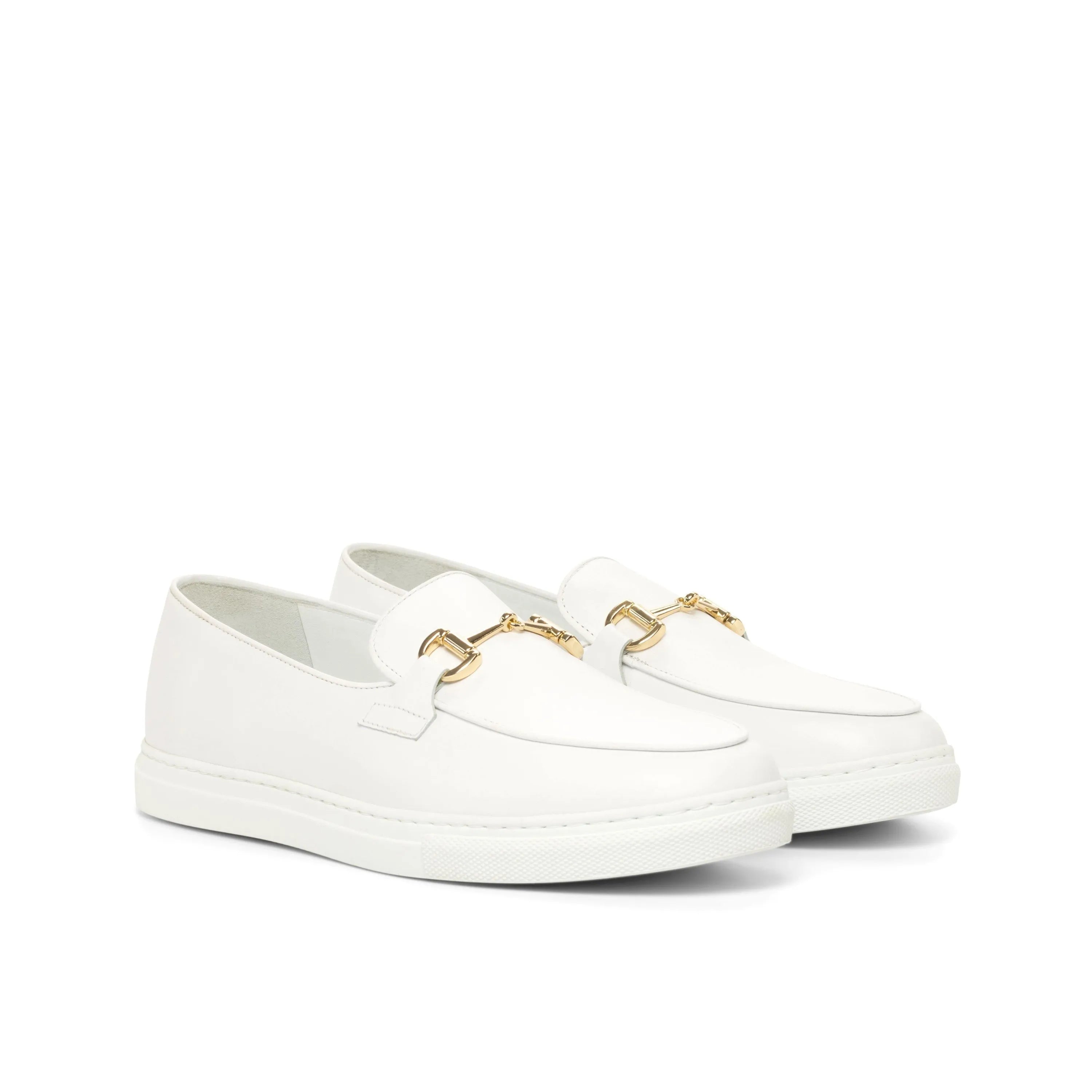
Consider this: Kilzo Penny Loafers from Que Shebley. Crafted meticulously, piece by piece, slipped through deft hands. Not just sewn, but uniquely caressed into shape. It's an artistry Berluti could only dream of digitally optimizing.
Cruelly, the likes of Allen Edmonds coat leather with what? Plastic paint. No one tells you their grains require artificial fixes. Visit Que Shebley and you won't find paint's deception—only the rich embrace of pure leather, refined through time.
The Rationale: Why Artisan over Mass-Market
Pros of The House of Que Shebley

- Legacy & Craft: Each piece isn't produced; it's birthed, yearning to tell its story.
- Materials & Integrity: True leather, undeterred by plastic-coated obscurities.
- Comfort & Fit: Embraces your foot, no forced "break-in" charade needed.
- Authentic Design: With products like the Frais Belgian Sneaker and Leo19 Laceless Sneaker II, enjoy a blend of tailored sleek and comfort without the infamous logo trap.
Cons of Mass-Market Fancies
- Low-end Fabrication: Mass-market giants thrive on shortcuts, not legacy.
- Deceptive Labeling: High marks for marketing; minus for authenticity.
- Fit for None: Desert the true bespoke tailoring for a measly "made to measure" illusion.
- Ephemeral Gratification: Momentary allure vanishes as fast as the sheen of "luxury."
Closing
Own your narrative. Dismiss the illusionists of corporate luxury fluff. Choose artistry that dares to defy. Step into Que Shebley, where footwear is forged with narrative and pride. Real quality doesn’t masquerade as a worn logo but stands timeless and relentlessly crafted. Why settle for the assembly lines when you can keep tradition alive under sole and skin?
For an in-depth look at the fallacies of so-called luxury footwear, visit the eye-opening revelations in The Cheap Luxury Lie: Your Shoes' Short Lifespan Revealed or explore The Essential Needle Edge: Bespoke Versus the Logo Absurd.
Footwear that thrives on essence, quality, and heritage—this is not a promise of a brand, nor an endorsement—but your journey back to genuineness. Make no compromise, tread the Que Shebley path.
FAQs
What is bespoke craftsmanship in footwear?
Bespoke craftsmanship in footwear refers to the process of creating shoes that are tailored specifically for an individual. This involves a precise fitting process, where measurements and personal preferences are taken into account to create a unique pair, ensuring maximum comfort and style.
How does bespoke footwear differ from mass-market options?
Bespoke footwear is made specifically for the individual, while mass-market options are produced in bulk to meet general consumer demand. This means that bespoke shoes offer a superior fit and personalization, whereas mass-market shoes prioritize affordability and widespread availability.
Are bespoke shoes worth the investment?
While bespoke shoes typically come with a higher price tag, many find them worth the investment due to their quality, comfort, and personalization. They often last longer than mass-market shoes and offer a unique style that reflects the wearer’s preferences.
Can I customize mass-market footwear?
Many brands now offer customization options for mass-market footwear, allowing customers to choose colors, materials, and sometimes even designs. However, this level of customization doesn't match the full personalization and tailor-made aspects of bespoke footwear.
What materials are commonly used in bespoke footwear?
Bespoke footwear often utilizes high-quality materials such as full-grain leather, suede, and specialty fabrics, which are chosen for their durability, comfort, and aesthetic appeal. These materials are typically sourced for their superior qualities compared to those used in mass-market production.
How long does it take to produce bespoke shoes?
The production time for bespoke shoes can vary, but it typically takes several weeks to a few months. This duration accounts for the detailed fitting process, design creation, and handcrafting required to ensure each pair meets the unique needs of the customer.
Is it possible to find bespoke footwear options online?
Yes, many artisans and brands offer bespoke shoe services online. These typically involve an initial consultation process where customers submit measurements and preferences, followed by the selection of materials and features for their custom pair.
What should I consider when choosing between bespoke and mass-market footwear?
When making your choice, consider factors such as budget, fit, style preferences, and how often you wear certain types of shoes. If you're looking for a unique fit and high-quality craftsmanship, bespoke footwear may be the better option. If convenience and cost are more important, mass-market options might suffice.
How do I maintain bespoke footwear?
Maintaining bespoke footwear involves regular cleaning, conditioning, and protecting the materials used. It's advisable to use specific products designed for the materials of your shoes and to store them properly to prolong their lifespan.
Can bespoke shoes be repaired?
Yes, bespoke shoes can often be repaired, and many artisans offer repair services. Because of their high-quality construction, bespoke shoes can sometimes be resoled or refurbished, allowing you to enjoy them for many more years.

Leave a comment
This site is protected by hCaptcha and the hCaptcha Privacy Policy and Terms of Service apply.