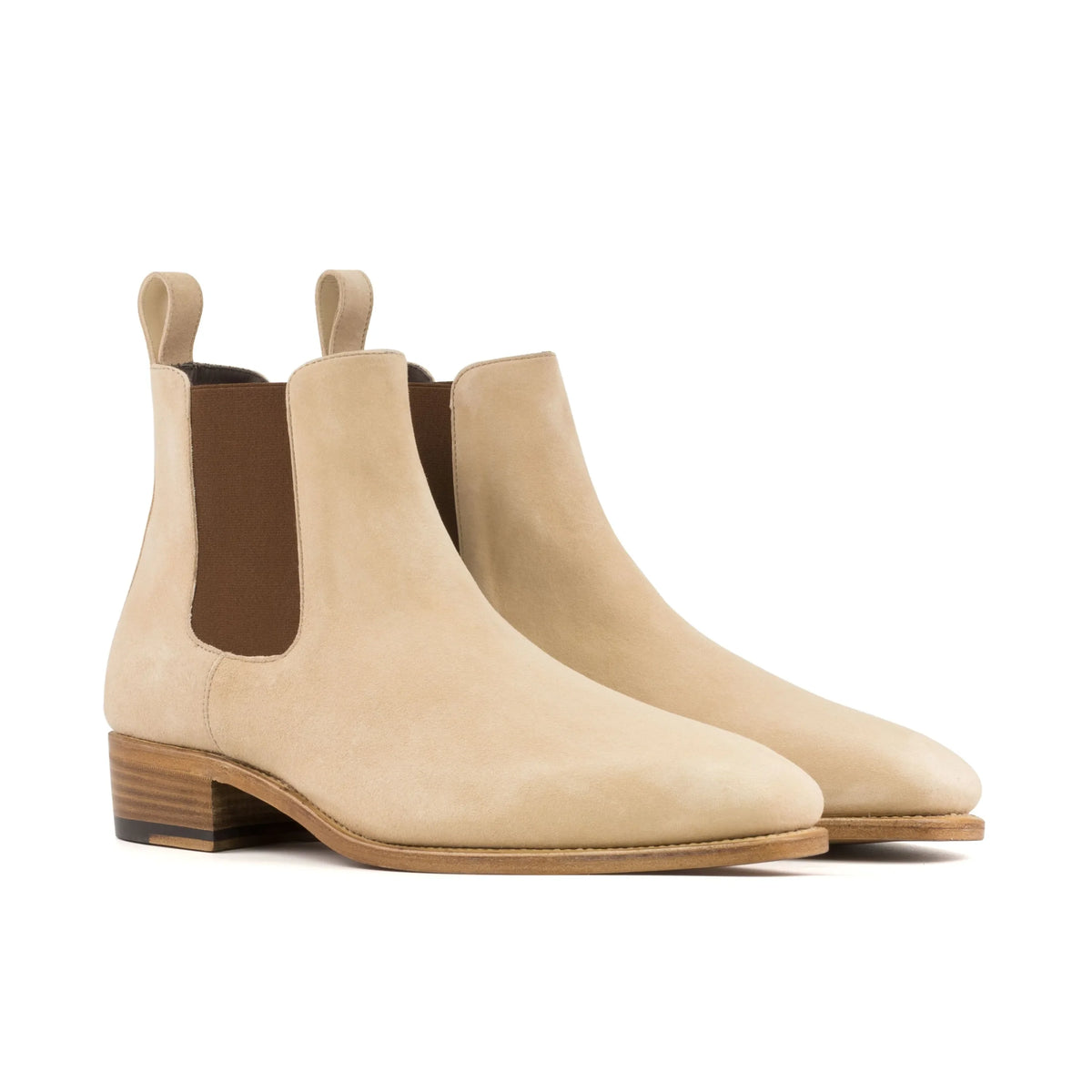
House Shoe Gone Rogue: The Quiet Cult of the Belgian Slipper
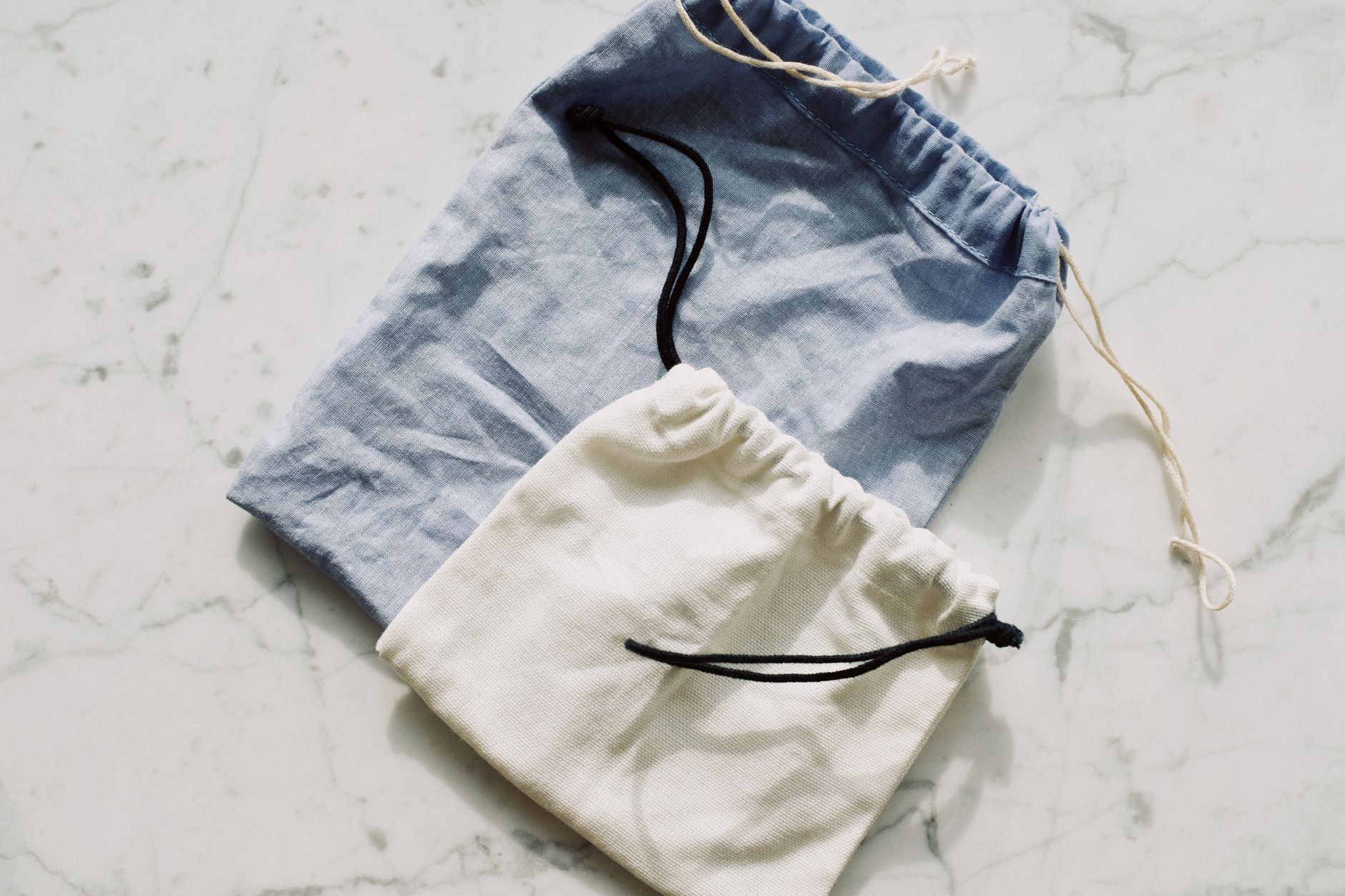
There is a particular kind of man who wears a slipper out of the house and dares you to say something about it. He is not lazy. He is, if anything, trying harder than everyone else in the room — he has simply decided that the effort should be invisible. His shoe has no laces, no buckle, no aggressive toe, no logo. It sits low and soft on the foot like something he pulled on without thinking. This is the Belgian slipper, and its whole trick is looking like it isn't trying at all.
Among the small vocabulary of shoes that signal taste rather than money — the unlined suede loafer, the well-worn oxford, the single monk — the Belgian occupies a strange and rarefied corner. It is the least practical dress shoe most men will ever own and, not coincidentally, one of the most telling. To understand why, you have to go back to a shop window on Fifth Avenue.
The shoe that Henri built
The Belgian slipper as we know it was the invention of Henri Bendel, the American retailer who, in 1947, went looking for a shoe that carried the ease of a bedroom slipper and the finish of a proper loafer. He found his answer in the cottage workshops of Belgium, where cobblers still made shoes by a technique that turned the whole thing inside out during construction — a soft, hand-lasted method that produced a shoe with almost no internal structure and a barely-there sole. Bendel imported them, stamped them with a small grosgrain bow at the throat, and sold them to Manhattan through his eponymous store for decades. For years, if you wanted a real one, there was essentially one address.
That scarcity did what scarcity always does to the right object: it made it a code. The Belgian became the house shoe of people who did not need you to know how much anything cost. It turned up on the feet of the Duke of Windsor, who never met a soft, unstructured garment he didn't like; on Andy Warhol, who wore his with the studied nonchalance of a man who understood surface better than anyone; and across the drawing rooms and country houses of a certain Anglo-American set who treated the shoe as a uniform of relaxed privilege.
Why the softness is the point
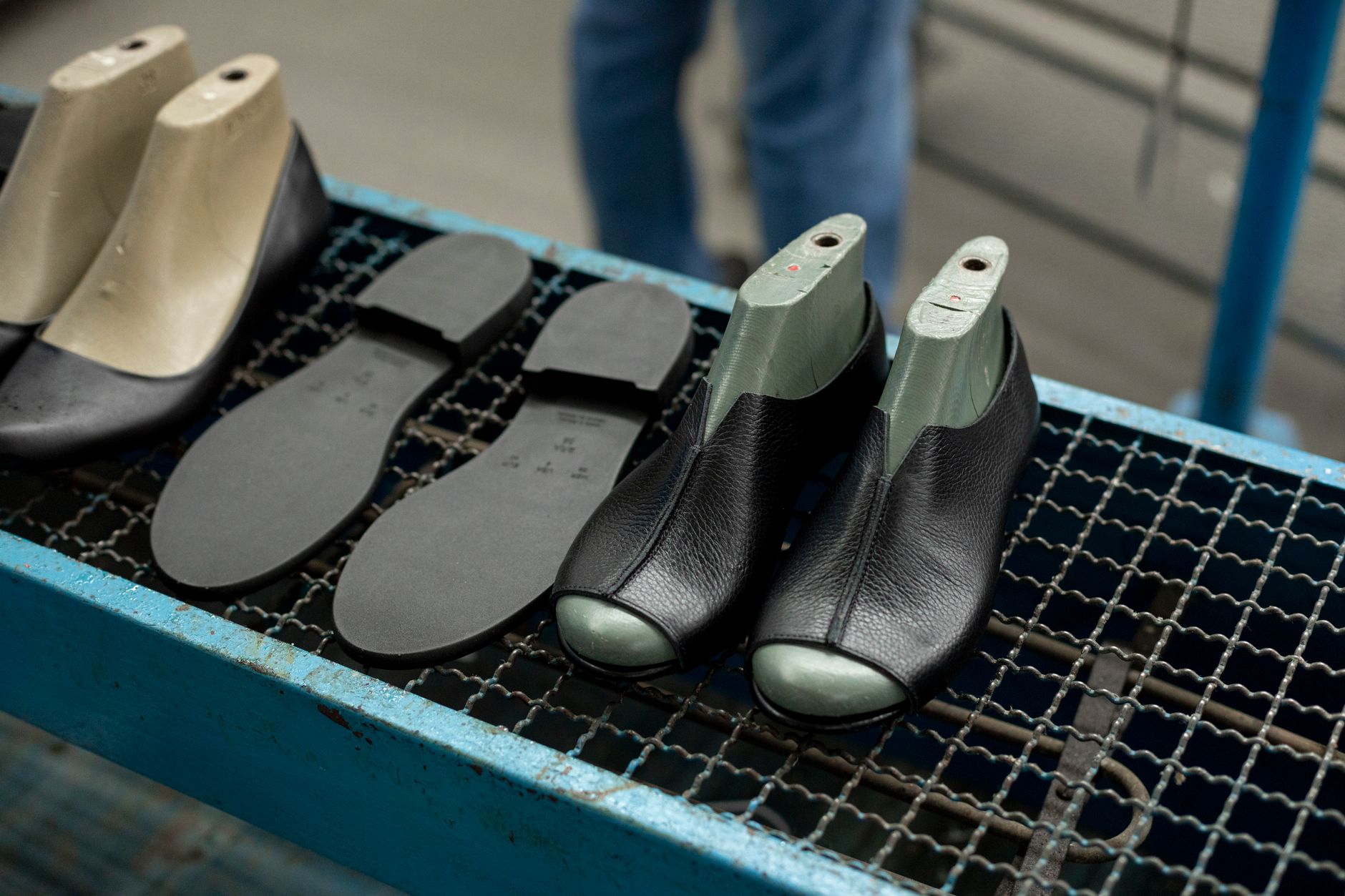
Most dress shoes are architecture. They have a Goodyear welt, a stiffened heel counter, a spring in the toe — machinery designed to hold a shape against the pressure of a foot and the weather of a city. The Belgian is the opposite proposition. It is built to collapse pleasantly around the foot, to feel like nothing, to fold flat enough that generations of travelers have packed a pair into the corner of a weekender without a second thought.
That lightness is not a shortcut; it is harder to do well than a heavier shoe. With no rigid internal skeleton to hide behind, every stitch and every panel of leather is on display. The cut has to be exact, because there is nothing to correct a lazy line. Get it right and you have a shoe that reads as impossibly elegant precisely because it looks effortless. Get it wrong and you have a bedroom slipper someone forgot to leave at home.
The other quiet genius of the Belgian is its neutrality. Because it sits so low and so clean, it takes on the character of whatever it's made from. In dark suede it becomes a black-tie alternative worn sockless with a tuxedo — a move with a long, rakish pedigree. In supple calf it slides under flannel trousers for an evening that wants to look unbothered. And in linen, it turns into something else entirely: a summer shoe with the manners of a house shoe.

Que Shebley's Fernandez Belgian Slipper in ice-blue linen is a good illustration of how far the idea has traveled from its Fifth Avenue origins. Linen gives the shoe a matte, almost powdery texture that catches summer light rather than reflecting it, and it makes explicit what the Belgian always implied: this is a shoe for warm evenings, for terraces, for the part of a wedding weekend that happens after the ceremony. It is the sort of thing you wear when the invitation says nothing about shoes because everyone worth inviting already knows.

The revival, and its imitators
For a long stretch, the Belgian was a secret hidden in plain sight — too quiet to trend, too specific to explain. Then the wider menswear world caught up with the appeal of soft, unstructured tailoring, and the shoe found new life. Brands built entire identities around the low-vamp slipper; the Neapolitan school of tailoring, with its deconstructed jackets and its love of things that move with the body, made the Belgian look like the only logical thing to wear on the end of a soft trouser. Suddenly the shoe that had lived in the drawing room was everywhere from Pitti Uomo cobblestones to hotel bars in Milan.
With the revival came the imitators, and here is where a discerning eye matters. A great deal of what gets sold as a "Belgian" is really a bow-topped moccasin with a chunky rubber sole and none of the delicacy that made the original worth coveting. The whole grammar of the shoe depends on restraint, so a few things separate the real thing from the costume version:
- A low, clean vamp — the shoe should sit close to the foot, not ride up the instep like a boat shoe.
- A slim, flexible sole — leather or thin rubber that reads as house-shoe, not hiking boot.
- An understated bow — a small grosgrain detail, not a bright bauble demanding attention.
- Softness you can see — the leather or cloth should look like it wants to fold, because that pliability is the point.
How to actually wear one
The temptation, once you own a Belgian, is to treat it as a formal shoe. Resist. Its magic lives in the gap between formal and undone. Sockless with cropped linen trousers and an open collar, it is the best summer-evening shoe there is. With a soft navy suit and no tie, it takes the starch out of the whole outfit in the best way. In dark suede or velvet, worn with a dinner jacket, it becomes the choice of a man who has been to enough black-tie evenings to know that patent oxfords are optional.
What it cannot do is pretend to be a work shoe or survive a wet commute — and that, in a sense, is the entire proposition. The Belgian slipper is a small argument for the idea that the most confident thing a man can wear is comfort that looks like a decision. Henri Bendel understood that in 1947. Seventy-odd years later, the man slipping one on before a summer dinner still does.

Leave a comment
This site is protected by hCaptcha and the hCaptcha Privacy Policy and Terms of Service apply.