The Shoe at the Altar: Why the Groom's Feet Are the Most Photographed Thing at a Wedding

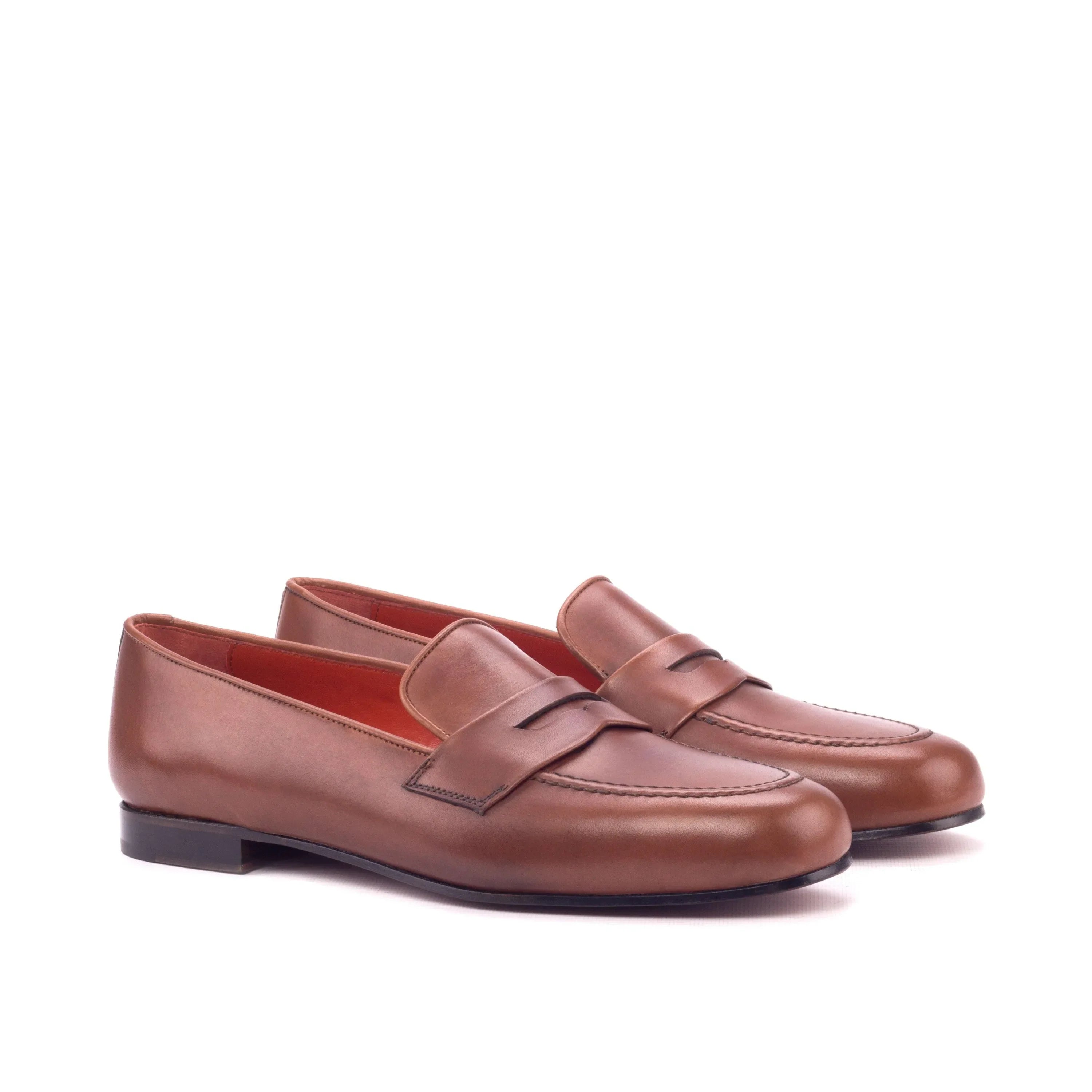
Watch the photographs come back from any wedding and you notice something the groom never planned for. The suit gets three good frames. The rings get their close-up. But the shoes — the shoes are everywhere. In the church, the camera sits on the floor and shoots up the aisle. During the vows, the couple stands still for the longest stretch of the day, and a long lens finds the feet. At the reception, when the jacket comes off and the trousers ride up mid-dance, there they are again. The groom has, without realising it, chosen the single most photographed garment he will wear all year, and he chose it last.
This is the quiet injustice of wedding dressing. Men will agonise for months over lapel width and whether the tie should be knitted or grenadine, then buy shoes on a Thursday because the wedding is Saturday. It shows. A cheap shoe under a good suit reads instantly — the toe too round and shiny, the leather with that plastic sheen that catches the flash and looks worse for it. The whole illusion of care collapses at the ankle.
What the Movies Taught Us (and What They Got Right)
Cinema has always understood that weddings live at floor level. The opening of The Godfather is one long wedding sequence, and Coppola dresses his men in dark, correct, unshowy leather because in that world shoes are a language — respect, seriousness, belonging. Fred Astaire, who married on and off screen in impeccable footwear, insisted that a man's shoes should never announce themselves; they should simply be beyond reproach. And every royal wedding since has reinforced the same rule: the ceremony is formal, the light is unforgiving, and the shoe is either right or it is a distraction.
The lesson underneath all of it is restraint with intent. A wedding is not the day to debut something loud, but it is emphatically not the day to be boring either. You want a shoe that rewards a second look — that has depth and hand-finishing you can read up close, because up close is exactly where it will be seen, by a photographer lying on a stone floor with a 35mm lens.
The Case for the Oxford (and the Case Against Playing It Too Safe)
For a formal wedding — morning dress, black tie, a dark three-piece — the oxford remains the correct answer, and it is correct for a reason. Its closed lacing gives a clean, uninterrupted line that photographs beautifully with a slim trouser. The temptation is to reach for plain black and be done. Nothing wrong with that; it is the safe, unimpeachable choice, and English houses like Church's and Edward Green built their reputations on exactly that shoe.
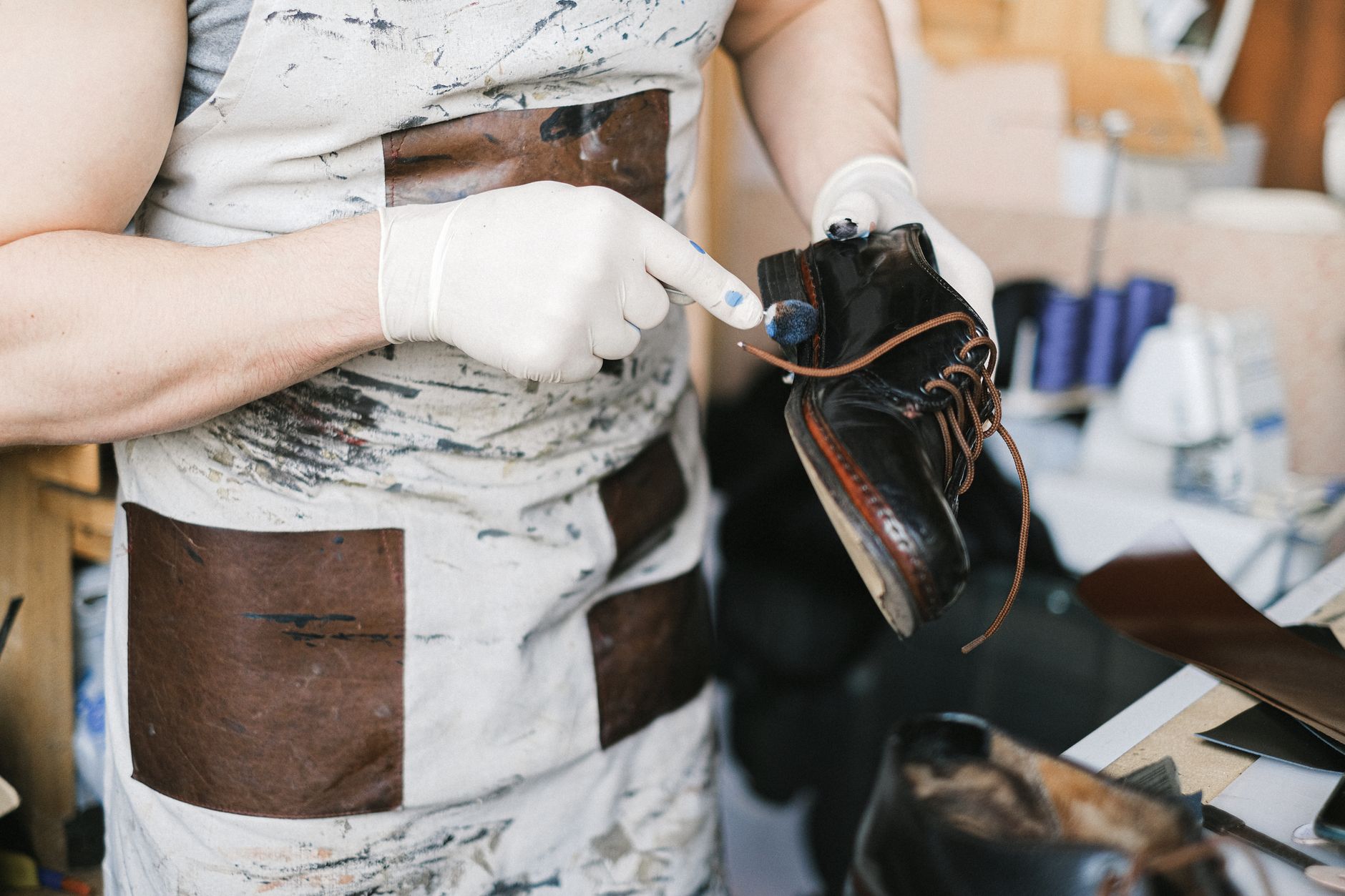
But there is a more interesting middle path, and it lives in colour. A patina oxford — leather hand-painted in graduated tones so the toe deepens and the flanks glow — reads as formal from across the room and reveals its craftsmanship only when the camera gets close. A deep blue or oxblood-toned patina under a charcoal or navy suit does something a flat black never will: it looks considered. Que Shebley's approach here is a good illustration of the technique, where undyed Italian crust leather is coloured by hand rather than pre-dyed, so no two pairs finish quite the same.


If You Want Personality: The Double Monk
Not every wedding wants an oxford, and not every groom should wear one. The double monk strap — two buckles, no laces — has become the modern groom's favourite because it splits the difference between formality and swagger. It is dressy enough for a suit, distinctive enough to feel like a choice, and it has a wonderful theatrical detail: at the reception, when you finally sit down, the buckles catch the light every time you cross your legs.
The monk earned its comeback in the Pitti Uomo years, when Italian editors and buyers turned the Florentine trade-show pavements into a runway and the double monk became shorthand for a man who reads about clothes. A brown patina version, with the leather burnished darker at the edges, sits especially well under a lighter suit for a spring or destination wedding — the kind of vineyard-in-Puglia affair that doesn't want a funeral-black shoe.

The Boot Nobody Expects to Work — But Does
Here is the contrarian pick, and I stand by it: a sleek Chelsea boot is one of the most elegant things a groom can wear, provided the rest of the outfit is sharp. The clean elastic-sided silhouette disappears under a trouser break as neatly as any oxford, and it gives a slightly rebellious, rock-and-roll register that suits a groom who wants the day to feel like him rather than like a rented tuxedo. A patina black Chelsea, close-cut and hand-finished, works under a slim tuxedo trouser in a way that surprises people every time they see it in the photographs.

The Details That Separate a Good Shoe From a Rushed One
Whatever silhouette you land on, the small things are what the lens catches. A few rules worth keeping:
- Break them in. A wedding is a fourteen-hour day on your feet. Wear the shoes for three or four evenings first. Blisters at the altar are the one detail nobody photographs and everybody remembers.
- Mind the sock line. When you sit, the trouser lifts and reveals two inches of leg. A dark sock that matches the trouser (not the shoe) keeps the line long and unbroken.
- Polish the day before, not the morning of. Fresh polish needs time to haze and buff to a proper shine. A last-minute cream job looks smeared under flash.
- Match the metal. If you're wearing a monk, let the buckle agree with your watch and cufflinks. Silver with silver, gold with gold. It's the kind of coherence people feel without being able to name it.
The One Thing to Remember
A wedding shoe is not an accessory to the suit. On the day, it is the part of the outfit that gets closest to the camera, holds still the longest, and outlives the occasion — because unlike a hired jacket, a well-made pair of shoes stays in the wardrobe for a decade of dinners, christenings and other men's weddings. Buy the shoe you'll want to lace up again. Everything about the day is temporary except, if you choose well, what's on your feet.

Leave a comment
This site is protected by hCaptcha and the hCaptcha Privacy Policy and Terms of Service apply.