Sand and Suede: How the Chukka Became Menswear's Great Diplomat

There is a particular kind of shoe that never raises its voice. It doesn't have the governess-stern polish of an Oxford or the swagger of a double monk. It doesn't announce an occasion the way a patent pump does. The chukka boot simply shows up — ankle-high, two or three eyelets, a modest toe — and gets the job done in almost any register you ask of it. Blazer and chinos? Fine. Jeans and a chore coat? Also fine. A linen suit in a hot city in August? The chukka is already there, waiting by the door.
For a shoe so unassuming, its biography is unexpectedly worldly. It has been to war, to the polo ground, to the cinema, and to the boardroom, and it has emerged from all of them with the same unbothered expression. If the wardrobe has a diplomat, it is this.
A boot born on horseback
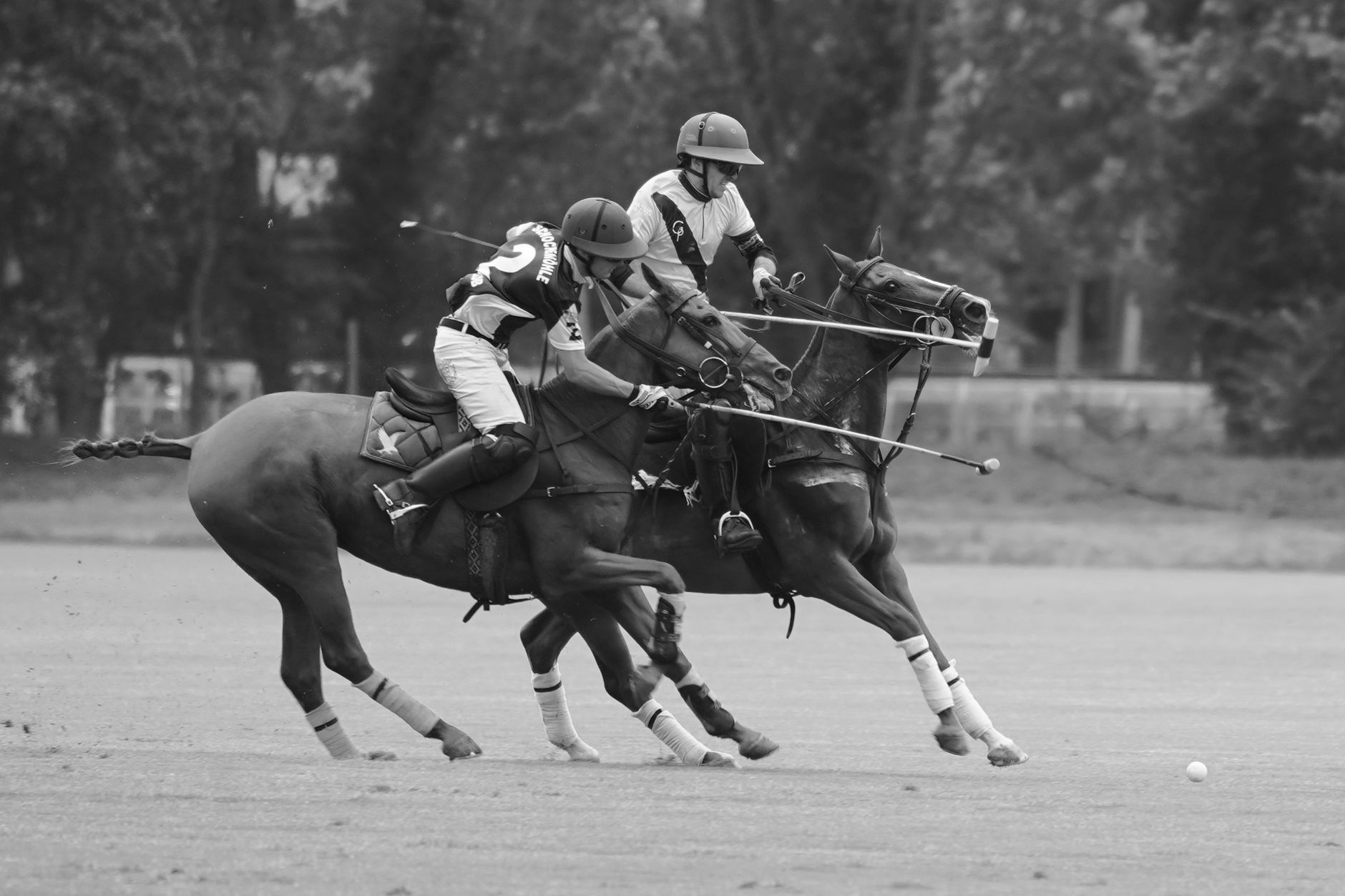
Start with the name, because it tells you almost everything. A "chukker" (sometimes "chukka") is a period of play in polo — roughly seven minutes of controlled chaos on horseback. British officers stationed in colonial India in the 19th and early 20th centuries wore soft, ankle-high leather boots off the field, prized for how easily they slipped on after the heavier riding boots came off. The style was comfortable, unlined, and quick to break in. The name simply migrated from the sport to the shoe.
The chukka's close cousin, the desert boot, has a more specific and better-documented origin. Nathan Clark, of the English shoemaking family, encountered rough crepe-soled suede boots being made for British officers in the bazaars of Cairo during the Second World War. He sketched them, sent the drawings home, and in 1950 Clarks introduced the Desert Boot at a trade fair in Chicago — where, as the company tells it, American buyers were initially baffled and European buyers were charmed. The boot went on to sell in the millions. It remains, to this day, one of the few genuinely democratic designs in menswear: worn by mods and architects, dukes and students, with the same easy logic.
The distinction worth knowing
Enthusiasts will tell you — correctly — that a desert boot and a chukka are not quite the same thing, even though the terms get used interchangeably. The distinction is mostly about construction and formality.
- The desert boot is the rougher sibling: suede, an unlined or lightly lined body, two eyelets, and a soft crepe rubber sole. It is built for ease, not polish.
- The chukka proper is the dressier interpretation: often smooth calf leather, a leather or more structured sole, sometimes a Goodyear welt, and a cleaner silhouette that can slip under a suit trouser without apology.
That second category is where the chukka earns its reputation as a wardrobe negotiator. A well-made leather chukka sits precisely at the seam between tailored and relaxed — which is exactly the register most men actually live in now that the hard rules of dress have softened. It is the shoe you reach for when the dress code says "smart casual" and means absolutely nothing concrete by it.

How Hollywood made it cool
No design becomes an icon on function alone; it needs a little glamour. The chukka got its share. Steve McQueen, the patron saint of effortless American menswear, wore sand suede boots on and off set, cementing their association with a kind of unstudied cool that brands have been trying to bottle ever since. The mod movement in 1960s Britain adopted the desert boot as part of its sharp, continental uniform. Later, the shoe slipped into the wardrobes of architects and creative directors who wanted something that looked considered but not fussy.
What makes the chukka endure, where other "it" shoes come and go, is that it never relied on novelty. It isn't a trend; it's a default. Trends age badly. Defaults just get better.
The modern case for the leather chukka
If the suede desert boot is a weekend shoe, the leather chukka is the version you can build a working wardrobe around. In a mid-brown or a deep oxblood, it bridges the gap between the loafer and the derby: formal enough for an office that no longer requires lace-ups, relaxed enough for travel, and flattering with everything from flannel to raw denim. A two-tone or burnished finish adds depth that a flat black Oxford simply can't offer — the kind of character that comes from hand-finishing rather than a factory spray booth.

Que Shebley's David Monti chukka is a good illustration of how the style reads when it's treated as a canvas rather than a commodity. Worked in Italian crust leather and hand-finished, a two-toned chukka like this picks up the depth and movement that only comes from patina applied by hand — the leather starts life undyed and is colored to order, so no two pairs land in quite the same shade. It's the difference between a boot that matches your outfit and one that quietly outshines it.
For those who prefer their chukkas unambiguous, a clean black leather pair is the single most versatile boot a man can own after a plain Oxford. It disappears under a suit, holds its own with dark denim, and travels better than almost anything — one pair, a week of wear, no fuss.

How to wear it without overthinking it
The chukka's whole appeal is that it resists ceremony, so don't impose any. A few principles are enough:
- Keep the trouser clean. The low profile wants a trim or tapered leg that breaks just above the boot. Puddling hems drown it.
- Match the finish to the fabric. Suede desert boots for cotton, corduroy, and casual wool; smooth leather chukkas for worsted, flannel, and sharper denim.
- Let the leather do the talking. A hand-finished patina or a rich two-tone needs no further decoration — pair it with quiet clothing and let the boot be the point of interest.
- Care for the crepe (or the leather). Suede wants a brush and a protective spray; leather wants cream and a cedar tree. Either way, five minutes of maintenance buys years of wear.
The chukka has survived cavalry charges, desert campaigns, movie close-ups, and seventy years of shifting dress codes, and it has never once tried to be the most interesting thing in the room. That restraint is precisely why it keeps winning. In a wardrobe full of shoes that demand an occasion, the chukka asks only to be useful — and then, almost as an afterthought, it turns out to be the best-looking thing you own.

Einen Kommentar hinterlassen
Diese Website ist durch hCaptcha geschützt und es gelten die allgemeinen Geschäftsbedingungen und Datenschutzbestimmungen von hCaptcha.